



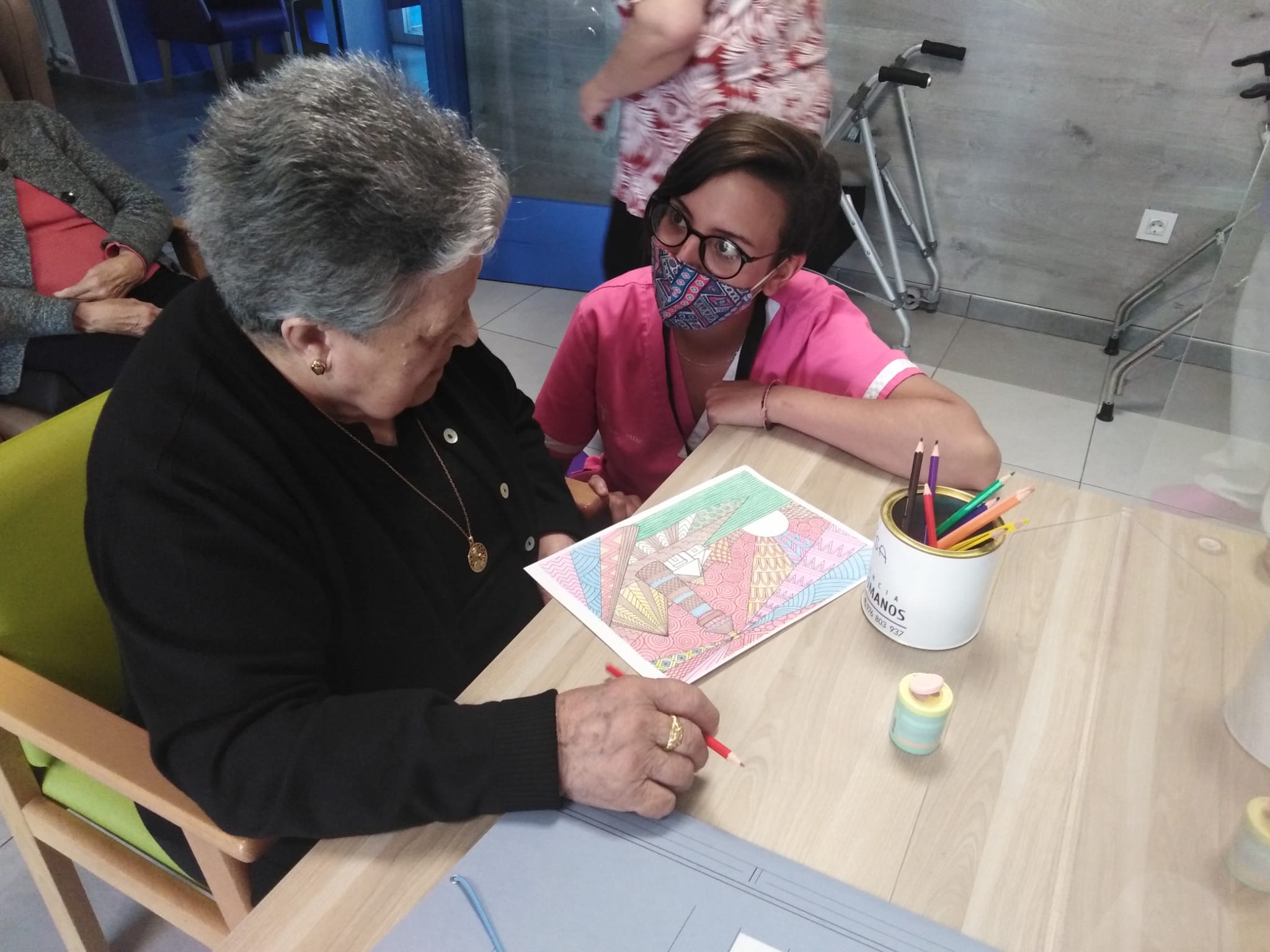
The Zaragoza Provincial Council, in collaboration with the University of Zaragoza, has launched the ninth edition of its rural Erasmus internship program, which will take place in the province of Zaragoza until November 30. This initiative aims to promote employment and integration in rural communities through the ‘Desafío Zaragoza’ and ‘Arraigo Zaragoza’ programs.
Origin and Objectives of the Rural Erasmus
The Rural Erasmus program was initiated in 2018 as a pilot project of the DPZ Chair on Depopulation and Creativity, making it a pioneer in Spain. Its main objective is to open up job opportunities, facilitate integration in rural areas, and attract talent to these communities. To achieve this, it is structured around two specific programs: ‘Desafío Zaragoza’ and ‘Arraigo Zaragoza’.
Evolution and Recognition of the Project
Since its inception, the project budget has grown from €9,000 to €100,000 annually, and the number of participants has increased from 9 to nearly 50 per year. Approximately 10% of participants have secured employment after their involvement in the program. The success of the project has led to its replication in other regions of Spain and its international expansion under the UNITA Alliance of European Universities.
The program has received several awards, including the 2019 RSA Award from the Government of Aragon and the 2020 Expansión Award for Innovation in Human Resources. It has also been recognized as a best practice by the European association Euromontana and the Start in Mountains project.
Details of the ‘Desafío Zaragoza’ and ‘Arraigo Zaragoza’ Programs
‘Desafío Zaragoza’ targets university students in their final years who are interested in exploring the rural environment as a job market. Internships, lasting between 150 and 500 hours, are conducted in companies and institutions in the province of Zaragoza, excluding the capital. The program covers accommodation, living expenses, and social security contributions.
Meanwhile, ‘Arraigo Zaragoza’ is aimed at graduates from the University of Zaragoza from the past six years who have a connection to the area where they will undertake their internships. These internships, ranging from 150 to 350 hours, include reimbursement for travel expenses and a financial compensation.
Internships for this edition will be available until November 30, and while there is mention of an application section, specific registration procedures are not detailed. The Zaragoza Provincial Council provides additional information through its Communication Office.