



Aragón is finding new ways to tell its history through technology. Virtual reality, 3D reconstructions, interactive content, and large-scale audiovisual formats are beginning to complement traditional visits to monuments and cultural sites. The latest example is in Valderrobres, but it is not an isolated case: various initiatives developed during 2026 show how the region is exploring a different relationship between heritage, tourism, and entertainment.
Valderrobres lets visitors travel back to 1590
On August 5, Valderrobres unveiled “Return to the Past: A Journey Through Valderrobres in 1590,” a project promoted by the Fundación Valderrobres Patrimonial Asunción Tomás Foz and funded through the Teruel Investment Fund. The initiative uses 360-degree virtual reality to transport visitors several centuries into the past.
For around 10 minutes, users can fly over the town, approach its old walls, and explore a reconstruction of its streets. The aim is not simply to add information to a visit, but to turn heritage into a narrative experience in which the viewer takes center stage.
Heritage is beginning to demand participation
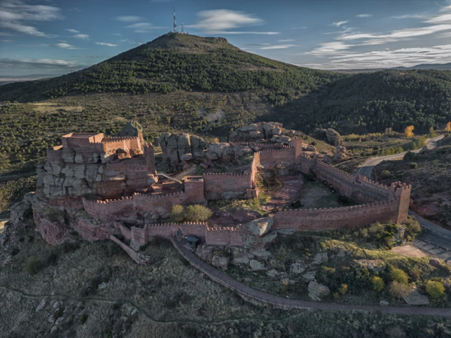
The trend is also emerging elsewhere in Teruel. The castles of Mora de Rubielos, Alcalá de la Selva, and Puertomingalvo have incorporated augmented-reality initiatives and escape-room dynamics to present their history through a more participatory format.
This shift is linked to a broader evolution in digital leisure. Audiences have grown accustomed to experiences in which they not only observe, but also make decisions and receive constant feedback. This is the case in video games, interactive exhibitions, and online casino formats, where staging, familiar rules, and interaction are all part of an experience that must make clear at all times what is happening.
Aragonese technology with international reach
Aragón is not only applying these ideas within its own territory. Zaragoza-based companies Integra Tecnología and DeuSens were recognized this year for their involvement in “Dive into Heritage,” a UNESCO-backed platform that brings World Heritage sites closer to the public through three-dimensional models, interactive maps, and digital storytelling.
The project shows that Aragón’s specialization can have international reach. Technology is no longer used solely as an attraction; it is becoming a tool for explaining sites that are difficult to visit, reconstructing vanished contexts, and adding new layers of information.
Familiar rules also make interaction easier
One of the keys to these types of experiences is reducing the time needed to understand them. The more intuitive the dynamic, the more quickly users can focus on the content. That is why many interactive offerings rely on recognizable mechanisms: choosing, discovering, progressing, solving, or comparing results.
A similar principle explains the enduring appeal of classic games in new digital settings. At online blackjack tables, for example, the foundation remains a familiar game mechanic, even as the audiovisual presentation and playing environment change.
Goya will be the next major showcase
Zaragoza is also preparing one of its most ambitious cultural initiatives for the coming years. To mark the bicentennial of Francisco de Goya’s death, La Lonja will host a major immersive experience in 2028, organized jointly with the Museo del Prado. Before that, a 2027 exhibition is planned featuring nearly 100 works from more than 60 international institutions.
Valderrobres, Teruel’s castles, and future projects centered on Goya all point in the same direction: Aragonese heritage is no longer merely preserved and contemplated. Increasingly, it is also reconstructed, explored, and experienced.