



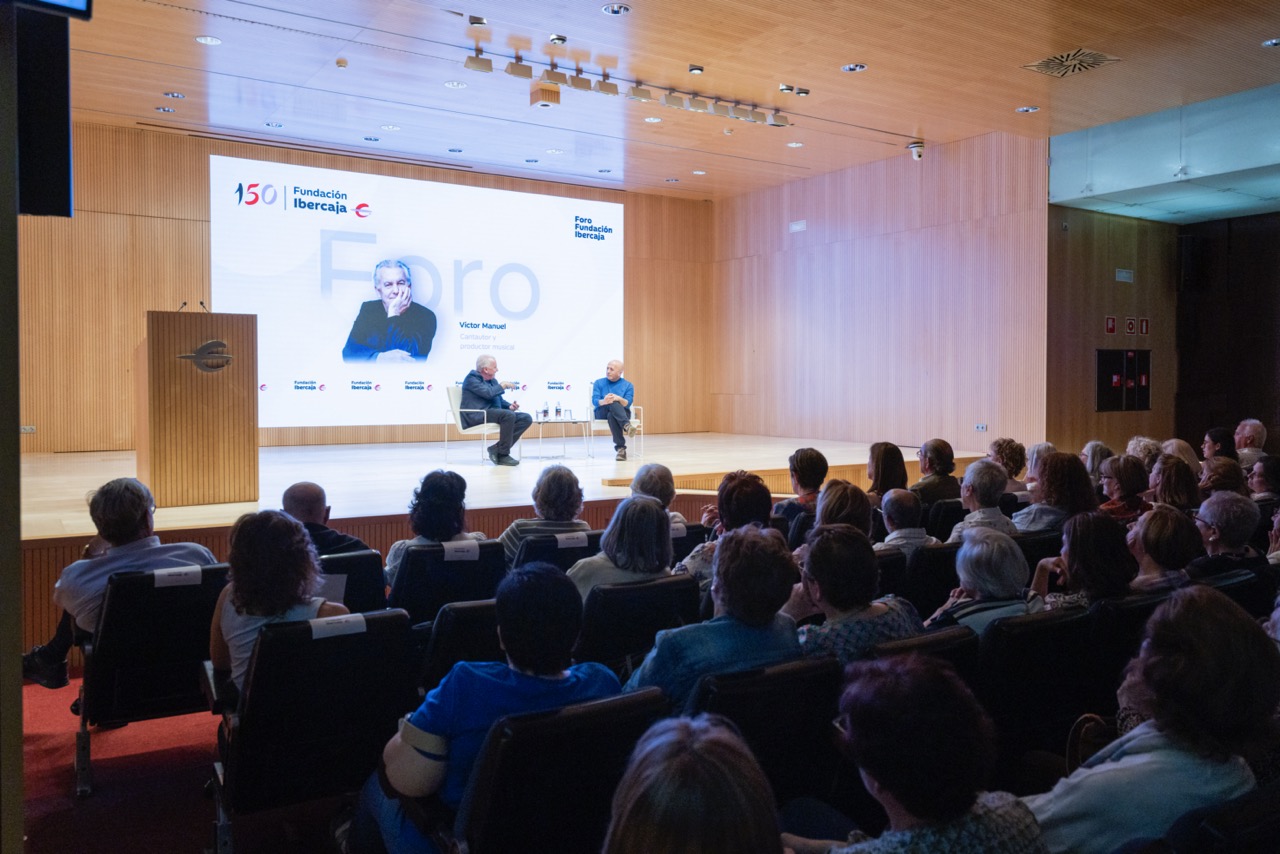
Zaragoza’s Patio de la Infanta will host four lecture series this fall on conflicts, geopolitics, neuroscience, and historical exploration. The program, organized by Fundación Ibercaja, will be free to attend with prior registration and will run through January 2027.
Information, geopolitics, and science in Patio de la Infanta’s fall program
The series The Power of Information, Global Fractures, What Do We Know About…?, and Expeditions That Changed the World will bring together journalists, researchers, academics, and specialists at the Patio de la Infanta. The events will cover topics ranging from the influence of the media in wars to the challenges facing Europe and Spain, how the brain works, and the journeys that transformed the world’s outlook.
The Power of Information series will take place from Monday through Thursday next week, in collaboration with the Miguel de Cervantes Chair at the Academia General Militar. War correspondent Antonio José Pampliega will examine coverage of contemporary conflicts and the risks of reporting from war zones, while José J. Sanmartín, president of Radix Intelligentia, will discuss the role of propaganda and its effect on public opinion.
Lieutenant Colonels Tomás Quecedo Estébanez and Antonio Álvarez Zamorano will address information operations and strategic communications at NATO, the European Union, and in Spain. Telecommunications engineer and cybersecurity specialist Sandra Bardón will focus on how digital technologies and social media shape the course of conflicts.
Global Fractures will examine the future of Europe and Spain amid new challenges
The Global Fractures: The Future of Europe and Spain in the Face of New Global Challenges series will run from September 30 to December 2, in collaboration with the Real Instituto Elcano. Sessions will focus on issues including the geopolitical divide linked to climate change, the relationship between technology and geopolitics, disinformation, European integration, and immigration in Spain.
Dr. Lara Lázaro and researchers Darío García de Viedma, Ángel Badillo, and Ignacio Molina will take part in the various sessions. The program offers an analysis of the structural changes reshaping the international landscape and their impact on Europe and Spain.
Science outreach will feature in What Do We Know About…?, a series organized with the CSIC and devoted this year to the brain and neuroscience, in tribute to Santiago Ramón y Cajal. Between October 26 and November 30, Juan Lerma will explain communication between neurons and its influence on behavior; José Luis Trejo will discuss the relationship between sport and the mind; and Elena González will explore the brain’s “hidden universe.”
Major Spanish expeditions will conclude the program in January 2027
The Expeditions That Changed the World series, organized with the Sociedad Geográfica Española, will trace some of Spain’s great historical journeys. On October 27, Juan Pimentel will open the program with a lecture on circumnavigations, from the expedition begun by Magellan and completed by Elcano to modern voyages.
The program will continue on November 23 with Professor Lola Higuera, who will examine the expedition of Alejandro Malaspina and José de Bustamante, one of the great scientific expeditions of the European Enlightenment. On December 16, senior research professor María Teresa Tellería will discuss the Mutis and Balmis expedition and its links to science and health.
TVE journalist Sebastián Álvaro, who directed Al filo de lo imposible for decades, will close the series on January 25, 2027 with a lecture devoted to extreme exploration at the farthest reaches of the planet. All events will be free to attend with prior registration through Fundación Ibercaja’s website.