


The Confederation of Entrepreneurs of Hospitality and Tourism of Aragon (CEHTA) and the Government of Aragon have developed the Social Sustainability Plan for Tourism, a pioneering initiative that aims to consolidate a responsible tourism model, close to people, and committed to the balanced development of the territory. Under the slogan “In Aragon, tourism is life: respect, enjoy, live”, the plan seeks to raise awareness among both industry professionals and visitors about the role of tourism as a social, cultural, and economic engine, showing that sustainability is not limited to environmental care but also translates into benefits for the community and the local economy.
The plan emphasizes that sustainability is both an environmental commitment and a business and social strategy. Its goal is to enhance the prestige of the industry professionals, consolidate tourism as a generator of wealth and employment, and contribute to population retention in various territories of Aragon. Thus, tourism ceases to be an isolated activity and becomes a driver of social cohesion and strengthening of local identity.
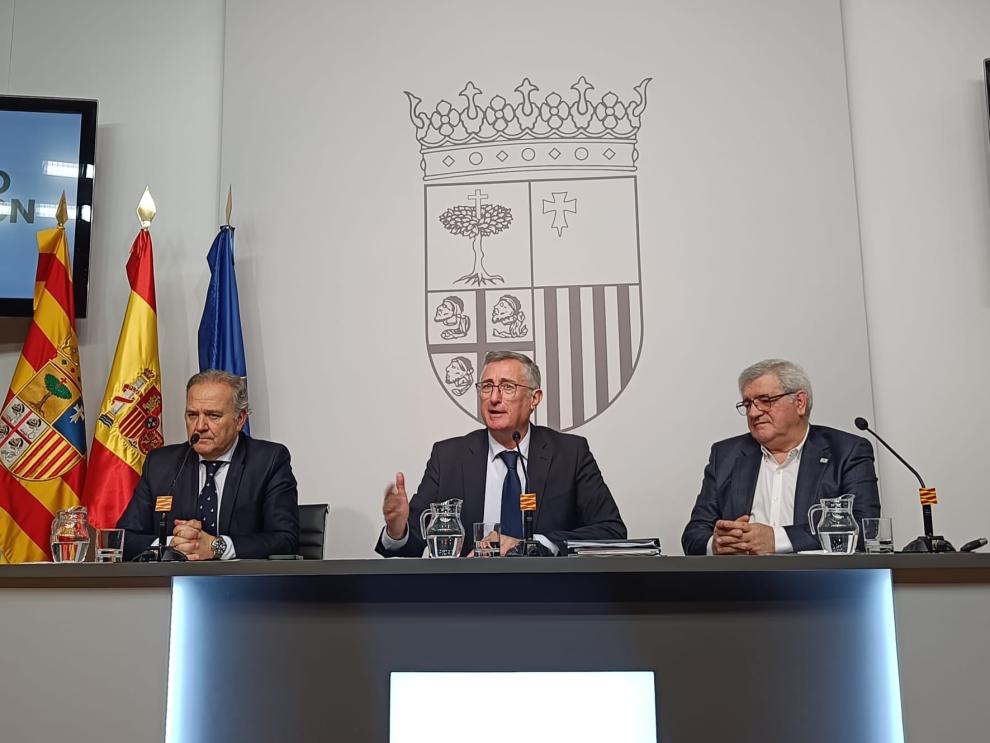
With a funding of 216,432.50 euros, deriving from the Recovery and Resilience Mechanism of the Government of Spain, the initiative strengthens the social dimension of tourism in the autonomous community, promoting collaboration among public, private, and social actors. In this way, the coordination between CEHTA and the General Directorate of Tourism and Hospitality of the Government of Aragon ensures that all actions are implemented efficiently and are aligned with the region’s sustainable development goals.
The communication campaigns aim to show how tourism benefits communities
To achieve a positive social impact, the plan develops various communication campaigns that demonstrate how tourism contributes to the well-being of communities. These actions combine content in digital media, press, radio, and social networks, with local initiatives that convey values such as solidarity, equality, sense of belonging, and active listening, reinforcing the perception of tourism as a key element for the integral development of the region.
The promotion of good practices in the sector is another fundamental pillar. A ten-point guideline has been prepared for tourism and hospitality establishments, covering commitments regarding legality, sustainability, labor conditions, and customer service. Additionally, audits are conducted, participating establishments are signposted, and professional support guides are created, encouraging the voluntary adoption of responsible practices and recognizing companies that stand out for their commitment.
The promotion of local products and the circular economy are fully integrated into this strategy. The plan encourages collaboration with local suppliers and the use of zero-kilometer products, while also organizing training sessions to raise awareness among professionals about sustainability. Furthermore, success stories are compiled and disseminated to demonstrate the positive impact of these practices on the territory and the environment.
The Hospitality and Tourism Awards return to recognize exemplary projects and good practices
An important aspect is that recognizing the sector’s efforts is materialized in the return of the Hospitality and Tourism Awards of Aragon, which highlight exemplary projects and good practices linked to the territory. These awards, which will be presented soon at a gala in Huesca, not only celebrate professional excellence but also act as a meeting point and cohesion for the entire sector.
In addition, the plan promotes social investment through open calls for projects that generate a positive impact on local communities. Selected projects receive funding, execution, and public dissemination, as well as certification for participants, reinforcing the relationship between tourism and communities and ensuring that actions have tangible and lasting effects.
Moreover, the management of the plan and the promotion of sustainable leadership are fundamental to ensuring the continuity of all these measures. A technical team coordinates actions, manages work forums and public-private collaboration platforms, and develops training programs in sustainable leadership. At the same time, systems for monitoring, impact evaluation, and accountability are established to ensure that the measures implemented are effective and sustainable in the long term.
The plan aims for tourism to be a social engine that strengthens local identity
Since its inception, the plan has promoted actions such as awareness campaigns, the development of the good practices guideline, sectoral meetings, and training in the circular economy and zero-kilometer products. The philosophy guiding it, summarized in “Respect, enjoy, live,” seeks to ensure that tourism is seen not as a burden on communities, but as a social engine that strengthens local identity, improves quality of life, and generates sustainable benefits.