


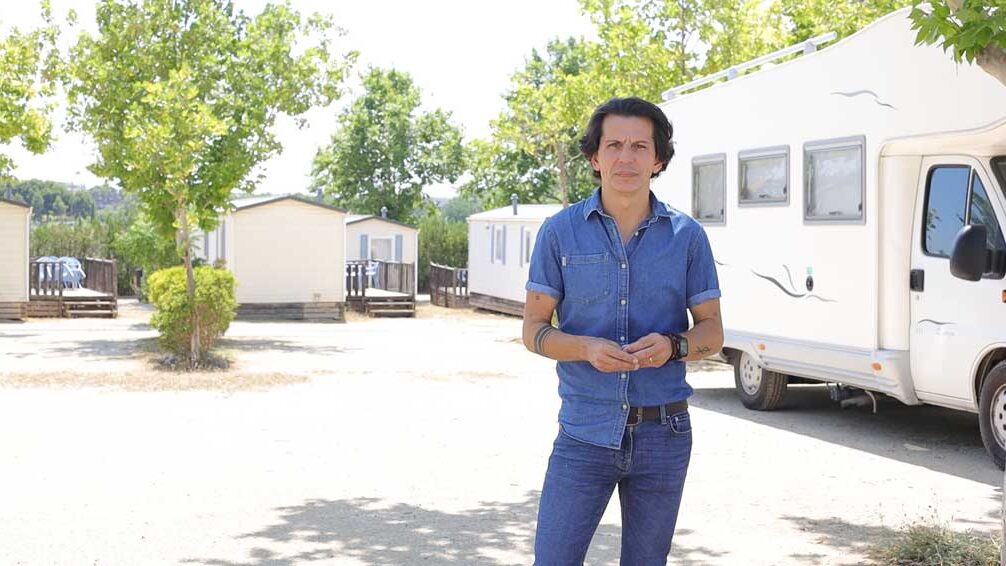
Sustainability is often built on small everyday decisions that, when added together, create a significant impact. In the tourism sector, where resource management and the relationship with the environment are fundamental aspects, an increasing number of companies are seeking ways to integrate environmental and social criteria into their daily activities. Zaragoza Camping is one such example.
In recent years, the establishment has developed a strategy based on circular economy principles and commitment to the territory, a move that has allowed it to consolidate a management model in which sustainability is part of the tourist experience and the relationship with the local community.
Better Resource Utilization
One of the pillars of this philosophy is the optimization of available resources. The circular economy proposes extending the lifespan of materials, reducing waste, and encouraging responsible practices across all aspects of business activity. Zaragoza Camping has incorporated these principles through various actions aimed at minimizing the environmental impact of its daily operations.
Efficient material management, waste reduction, and the search for more sustainable alternatives are part of a strategy that sees tourism as an activity closely linked to respect for the environment.
This approach not only helps reduce the establishment’s environmental footprint, but also raises awareness among visitors about the importance of adopting more responsible habits.
A Strong Connection with the Territory
Sustainability is not limited solely to environmental aspects. Zaragoza Camping has also focused on strengthening its connection with the economic and social fabric of its surroundings by collaborating with local suppliers and businesses.
This decision fosters the creation of local networks, boosts the regional economy, and ensures that a larger share of the value generated by tourist activity remains within the community. Additionally, it allows visitors to experience something more connected to the identity and resources unique to Aragón.
The commitment to local products and services has become an effective tool for bolstering the local economy and promoting a more balanced and sustainable tourism model.
Responsible Tourism and Community
The project developed by Zaragoza Camping demonstrates that tourist establishments can play an active role in building development models that are more respectful of the environment. Collaboration with local initiatives, responsible resource management, and the incorporation of sustainability criteria in decision-making are some of the keys that explain this trajectory.
Far from viewing sustainability as a passing trend, the camping has integrated it as a structural element of its operations. This vision allows for benefits that transcend the business itself and reach both the environment and the surrounding community.
A Future-Oriented Model
The growing demand for responsible tourism experiences is driving changes throughout the sector. Travelers are increasingly valuing proposals that combine quality, environmental respect, and commitment to the territory.
In this context, initiatives like that of Zaragoza Camping show how it is possible to move towards more sustainable models without sacrificing competitiveness or service quality. On the contrary, integrating responsible practices becomes a differentiating factor that adds value both to the company and to its visitors.
Because the tourism of the future will depend not only on the destinations chosen but also on how those places are managed and the capacity to create a positive impact wherever they develop. Zaragoza Camping has chosen to be part of that journey, demonstrating that sustainability can be both a responsibility and an opportunity.