


Zaragoza brought together nearly 150 representatives from the automotive sector for the sixth edition of awards recognizing technological innovation, sustainable mobility, and solutions for urban and rural settings. Zaragoza City Council also received a special distinction for its social mobility initiative.
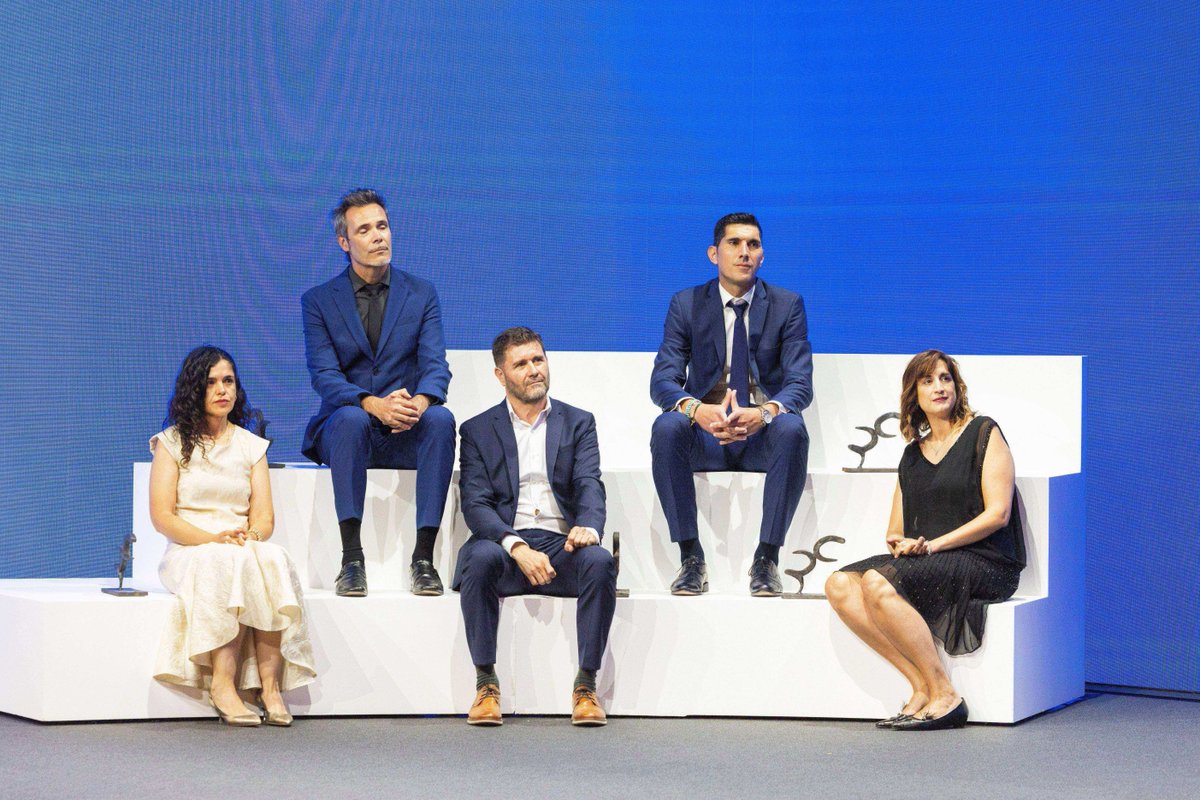
Zaragoza once again became a meeting point for Spain’s automotive industry with the sixth Mobility and Automotive Gala, held on October 15 at Mobility City. The event brought together nearly 150 institutional representatives and industry professionals for the presentation of the 2026 Impulso Awards for Innovation in Sustainable Mobility, which this year honored Levox, Medusa, Emotia Labs, and Aragon-based company Enganches Aragón.
Organized by ANFAC, FACONAUTO, SERNAUTO, and Fundación Ibercaja, with the support of Ibercaja Banco, the awards recognize projects that contribute to more sustainable, intelligent, accessible, connected, and safe mobility. The jury, chaired by Javier Páez, director of the University Institute for Automotive Research (INSIA-UPM), selected the winning initiatives from more than 22 submissions.
The ceremony also recognized Zaragoza City Council with a special distinction for its social mobility initiative, accepted by Mayor Natalia Chueca, who closed the event. The opening was led by Jaime Peris, special commissioner for reindustrialization at the Ministry of Industry and Tourism.
Four award-winning projects and special recognition for Zaragoza
The 2026 Impulso Awards recognized initiatives addressing different needs in the transformation of transportation, ranging from business innovation and electrification to the search for solutions tailored to cities and rural areas.
Levox received the Award for Best Innovation Project by a Spanish Start-up, a category specifically sponsored by Ibercaja Banco to support the visibility of emerging companies developing new mobility solutions.
Medusa was recognized with the Award for Best Sustainable Mobility Project for Urban Areas, while Emotia Labs received the Award for Best Sustainable Mobility Development for Rural Environments. Both categories reflect the need to address transportation’s transformation while accounting for the differing characteristics of each territory.
Enganches Aragón, meanwhile, won the Award for Innovation in Sustainable and Connected Electric Mobility. The recognition places the Aragon-based company among the initiatives honored by Spain’s automotive sector in an edition focused particularly on technological innovation and sustainability.
The awards were rounded out by the Special Recognition for Social Mobility Initiatives, presented to Zaragoza City Council. Mayor Natalia Chueca accepted the award on behalf of the municipal government.
Industry calls for investment, competitiveness, and long-term agreements
Beyond the awards presentation, the gala addressed some of the main challenges facing Spain’s automotive industry. The need to accelerate innovation, encourage investment, and establish a stable framework for the sector’s transformation featured prominently in remarks by representatives of the organizing entities.
ANFAC President Markus Haupt said the awards recognize companies and professionals contributing to industrial progress. In his remarks, he underscored the importance of creating conditions that enable innovation to reach the productive economy: “We must create the conditions that allow good ideas to be turned into industrial projects that drive our competitiveness and our future.”
FACONAUTO President Marta Blázquez emphasized the need to accelerate political decisions related to the future of the automotive industry. While praising Spanish companies for leading the transformation of mobility, she also warned that agreements reached by the sector are taking too long to be implemented.
Blázquez called for consensus that extends beyond electoral cycles, arguing that decarbonization, competitiveness, and employment require stable commitments, particularly as Europe’s 2030 targets draw closer.
Along similar lines, SERNAUTO President Javier Pujol highlighted the role of the components industry in developing safer, more efficient, connected, and automated vehicles. Pujol noted that innovation brings not only technological advances but also opportunities for skilled employment and business competitiveness, which he said require investment and an appropriate industrial environment.
Mobility City, where innovation meets society
The presentation of the Impulso Awards at Mobility City reinforced Zaragoza’s role as a venue for national gatherings focused on the future of the automotive industry. The space developed by Fundación Ibercaja hosted another edition of a gala designed to showcase both industrial advances and solutions that can improve people’s daily travel.
Fundación Ibercaja CEO José Luis Rodrigo said the mobility of the future must meet standards of sustainability, accessibility, and safety, while also responding to citizens’ real needs. In this regard, he said the awards recognize innovation when it translates into concrete applications that help improve quality of life.
Rodrigo linked this philosophy to Mobility City’s own mission, conceived as a space connecting industry, research, and society.
With six editions now held, the Impulso Awards continue to recognize business and technology projects seeking to address mobility challenges. The presence of Enganches Aragón among the winners and the distinction awarded to Zaragoza City Council also gave Aragon a particularly prominent role in an event bringing together initiatives from across Spain.