



Zaragoza once again placed art at the center of well-being. Not only does it evoke emotions—music, dance, painting, theater, cinema, literature—but art also heals, connects, and transforms. This has been the central idea that has permeated the XI Conference on Art and Health, held this Thursday, April 30, at the Joaquín Roncal Center in Zaragoza, part of the CAI Foundation, in an edition that confirms the maturity of an event that has now been linking culture and well-being for eleven years.
The event, coordinated by Juan Royo, brought together health professionals, artists, businesses, and social entities around a shared premise: the arts and creativity have a direct impact on how we feel and, therefore, on our overall health. Art operates on multiple dimensions: it improves physical condition, strengthens social relationships, and contributes to emotional balance.
At the opening, Manu Gil from MAZ emphasized the journey of these conferences: “This is already the eleventh edition in which we relate art and health. As experts in occupational health, we know that culture has a very direct impact on how we feel.” For his part, Guillermo de Vilchez stressed a key idea: you do not need to be an artist to benefit from art. “Singing is good, even if you sing badly; painting is good, even if you don’t know how to paint, even if no one values it. Any creative activity is good for the person.”
From the outset, the message was clear: art is not just an add-on but an essential tool for life. Music, literature, theater, dance, or cinema act as emotional catalysts capable of improving mood, strengthening bonds, and promoting self-knowledge.
Inclusion and Creativity: The Example of ‘Manar’
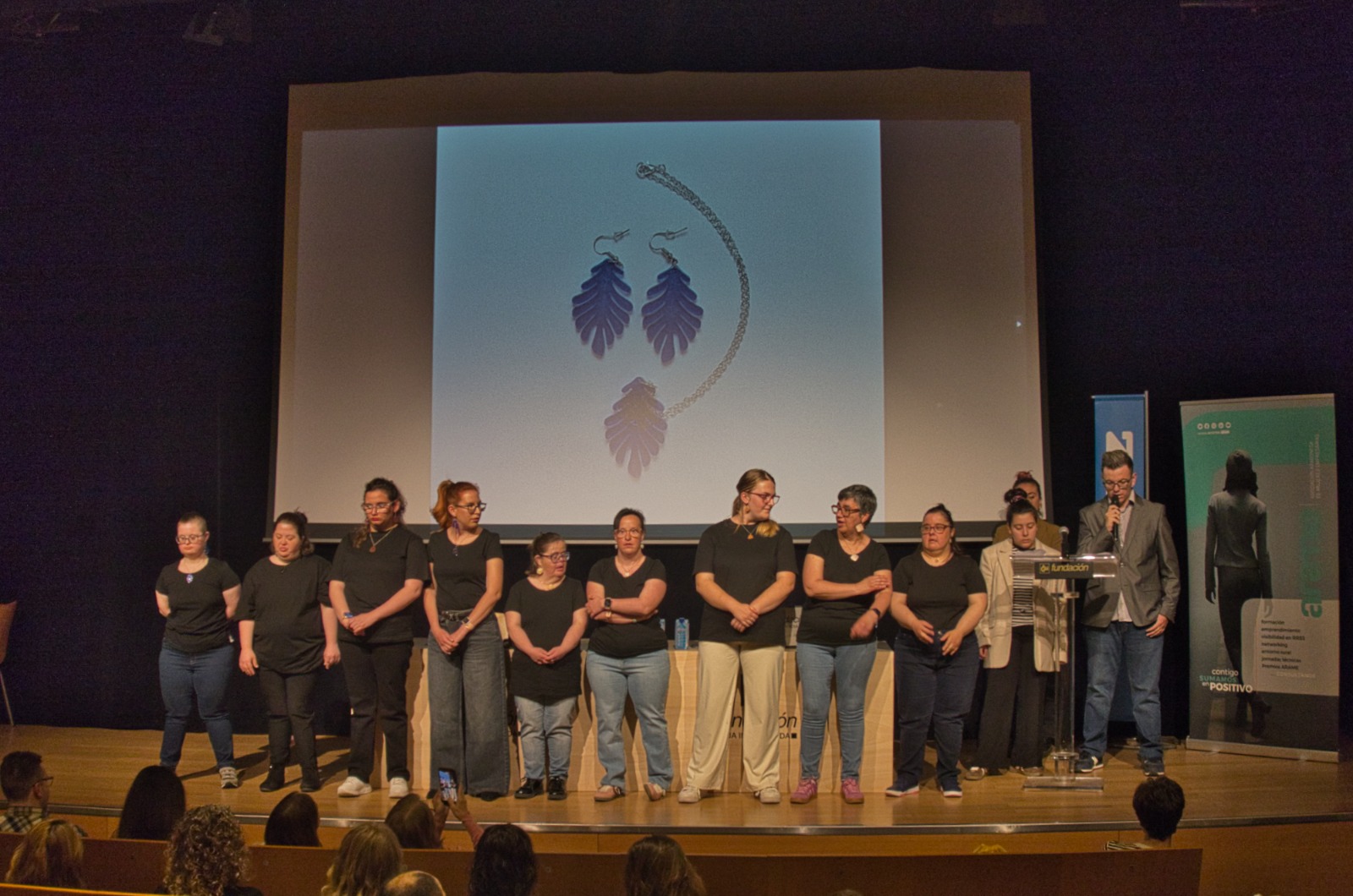
One of the most significant highlights of the event was the fashion show featuring models with disabilities and the presentation of ‘Manar,’ a line of handcrafted jewelry created by individuals with intellectual disabilities from the Amibil collective in Calatayud.
The project, born at the El Codoñal Occupational Center, symbolizes creativity as a tool for inclusion and exemplifies how art fosters autonomy, self-esteem, and visibility of abilities. Each piece—necklaces, earrings, and rings made from various materials—is the result of a collective creative process that symbolizes values such as diversity, collaboration, and fluidity.
Visual Health: Seeing as a Right
The international dimension came through the NGO Ilumináfrica, which presented its work in the field of visual health in Africa. Their representatives reminded us that millions of people suffer from preventable blindness—especially due to cataracts—and alerted us to the impact of parasitic diseases still present in some regions.
The message was unequivocal: vision cannot be a privilege. The organization works to ensure free eye interventions and advocates for eye health as a universal right.
Art, Business, and Female Leadership
Female leadership also had a prominent space with contributions from businesswomen linked to ARAME. In a lively format, they shared experiences where art and design become tools for personal and professional transformation.
Accessible Culture: Health for All
Another key focus of the day was cognitive accessibility. Professionals from Plena Inclusión Aragón and MAZ highlighted the importance of easy reading as a tool to ensure that information—especially in areas like health—is understandable for everyone.
Inclusive cultural initiatives were presented, such as adapting literary works into easy reading and converting them into audiobooks, with the active participation of individuals with intellectual disabilities.
Tourism, Culture, and Well-Being
The Art and Health Conference featured three round tables throughout the morning. One of them addressed the role of sustainable tourism and culture as generators of well-being.
A Shared Vision
Throughout the conference, it was evident that art is not a luxury but a necessity. A tool that allows introspection, openness to others, and improvement of quality of life. Art transforms—not only those who create it but also those who receive it. It acts as a bridge between people, an emotional refuge, and a driver of social change.
The IX Art and Health Conferences concluded with this collective certainty: promoting creativity, culture, and inclusion is not just an aesthetic or social bet, but an essential strategy for improving health and quality of life.








