



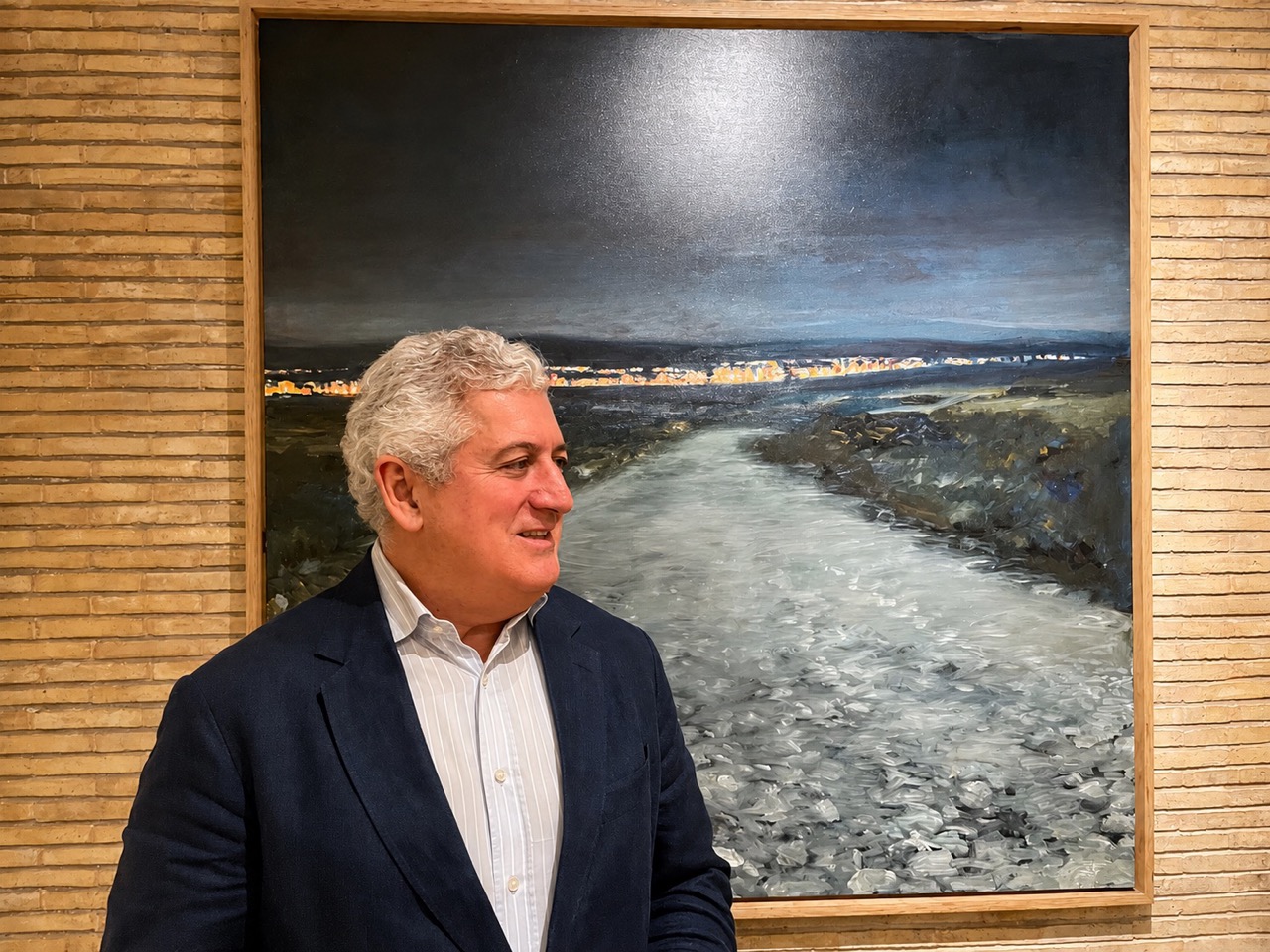
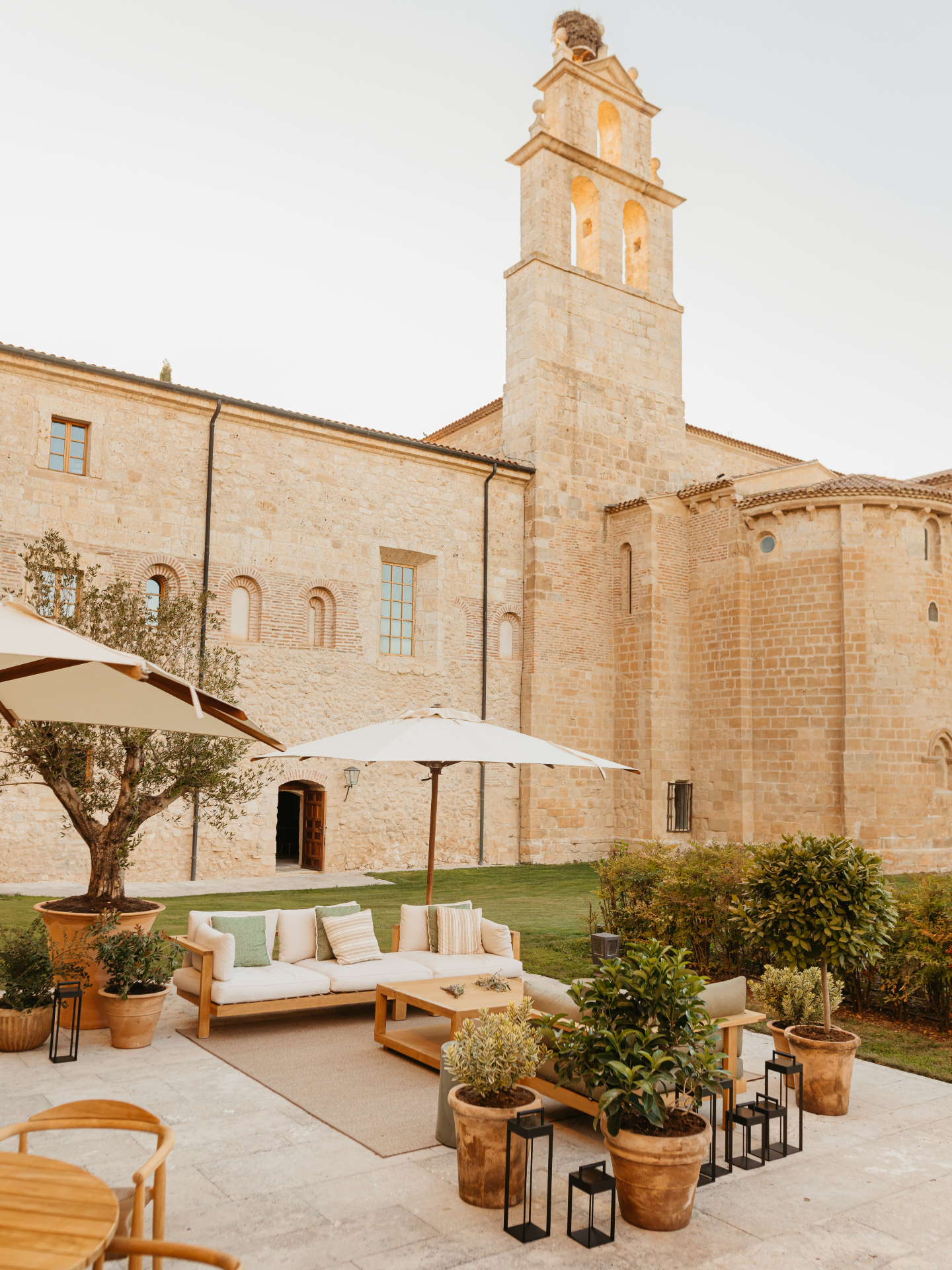
Enrique Valero, CEO of Abadía Retuerta, will be one of the featured speakers at the Encounters of Excellence and Inspiration, held as part of the International Garnacha Festival – Zaragoza, World Capital of Garnacha. At the helm of one of Spain’s most renowned wine tourism projects, Valero has transformed the historic Valladolid abbey into an international benchmark where wine, gastronomy, heritage, art, well-being, and sustainability come together in a unique experience. In this interview, he shares his vision on excellence, contemporary luxury, innovation, sustainability, and the role companies must play in revitalizing the regions where they operate.
“I usually introduce myself as a happiness manager”
You tend to define yourself more as a happiness manager than as a CEO. Why?
Because my job is to connect the employee experience with the experience of our visitors. I don’t consider myself a typical CEO. What I aim to do is manage our historical and natural heritage responsibly so that those who come to Abadía Retuerta can enjoy wine, gastronomy, wellness, art, or nature through an authentic experience.
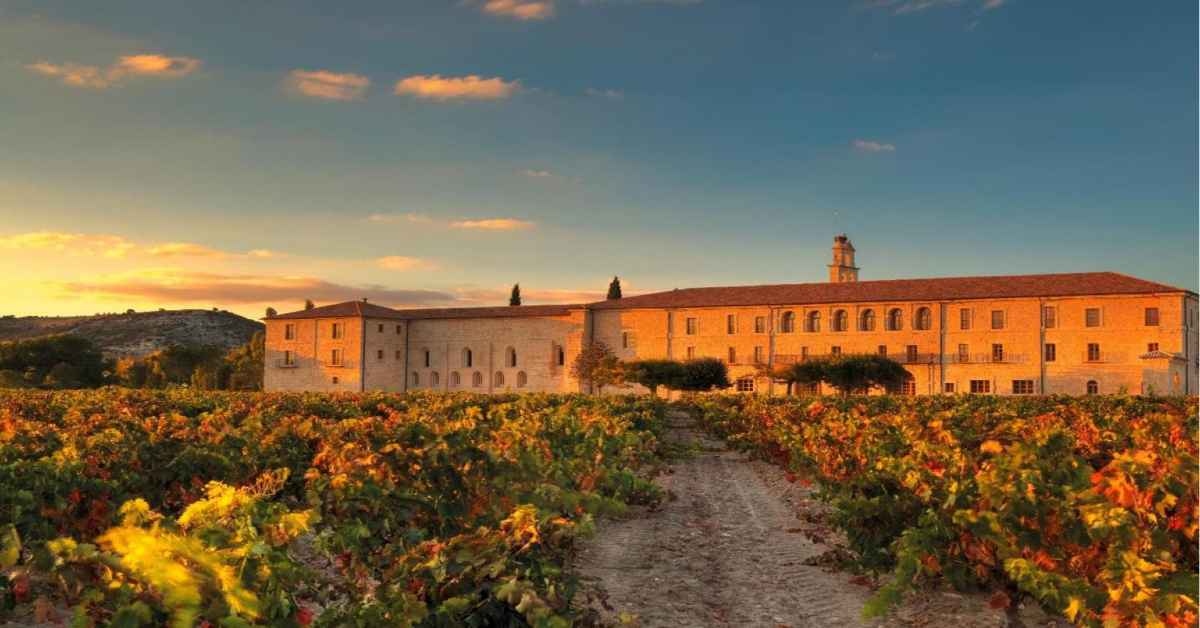
When I arrived, seventeen years ago now, I realized I had to understand two things: the place and the people we wanted to attract. The place includes the landscape, but also what we now call the cultural landscape—that is, human intervention in that territory. And, on the other hand, we had to understand what kind of visitor we wanted to welcome.
Today, nearly 60% of our guests are international. They come for the wine, the cuisine, the history, or the culture, but above all, they want to experience the territory firsthand—not just hear about it.
“We’ve moved from storytelling to story living”
How has the understanding of the tourist experience evolved?
I believe we’ve moved from storytelling to story doing and now to story living. Visitors no longer want a territory explained to them; they want to feel it.
At Abadía Retuerta, we aim to make time stand still. I always say that a day on the estate should rejuvenate you for seven days. We want people to connect with nature, with the Duero River, with the birds, with the stones, with the history, and with the culture of this place.
In fact, I often say that Abadía Retuerta’s first employee was the Duero River. If we don’t understand that, we’re lost. Everything we are stems from this region.
“Luxury today is about experiencing something authentic”
Abadía Retuerta has become a benchmark for tourism of excellence. What does luxury mean to you?
Today’s luxury has a lot to do with time, with authenticity, and with the ability to move people. It’s no longer about accumulating experiences or checking places off a list. People want to understand, feel, and connect.
That’s why I often say a phrase that sums up our philosophy quite well: less fermentation and more emotion.
Visitors want to understand why a monastic order came here nine centuries ago, why this landscape is the way it is, what role the river plays, or what makes our wines unique. What they’re looking for is a meaningful experience.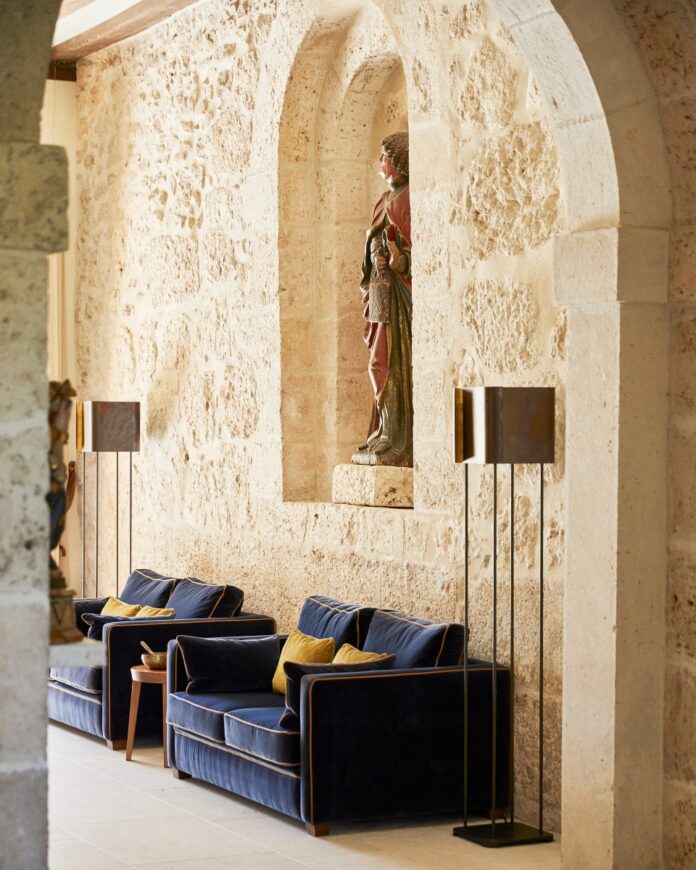
“Excellence is about delivering on your promises”
How do you build an excellent experience?
Excellence lies in aligning expectation with reality. It’s not about being expensive or cheap. It’s about offering something consistent, authentic, and memorable.
I always say there should be a little “wow” moment every few minutes. It could be a story, a view, a wine, a touch of service, or a discovery related to our heritage.
Ultimately, what matters is that the visitor leaves as a true ambassador for the project.
“Tradition is innovation that has proven successful”
Abadía Retuerta combines nine centuries of history with a constant commitment to innovation. How do you achieve that balance?
For me, innovating doesn’t mean changing just for the sake of change. Innovating is about interpreting what already exists to continue generating value.
You can innovate in management, in communication, in experiences, in landscape restoration, or in how you engage with visitors.
There’s a phrase I heard years ago that I use a lot: tradition is innovation that has proven successful.
We can’t just stand by and look at what the monks did or what our ancestors did. We have to understand that legacy and adapt it so that it remains relevant fifty or a hundred years from now.
“Sustainability begins with creating value for people”
Sustainability is one of the cornerstones of your management model. How do you understand it?
Sustainability has three inseparable dimensions: economic, social, and environmental.
The first is the economic dimension. If the business doesn’t work, nothing else can be sustained. Thanks to the project’s viability, 155 families now make their living from it.
When I arrived in 2009, we had 47 employees. Today we have 155, and the economic impact extends far beyond our farm. We work with local suppliers, farmers, artisans, service companies, and producers in the area.
In addition, we measure our social impact in partnership with the SERES Foundation to understand the real footprint we leave on the land.
“We don’t engage in greenwashing; we seek to regenerate”
How does that philosophy translate into concrete actions?
The key is understanding that we are stewards of a legacy. We don’t want to extract more than the land can offer. We want to regenerate.
We could produce more grapes or build a much larger hotel, but we’ve chosen a different model.
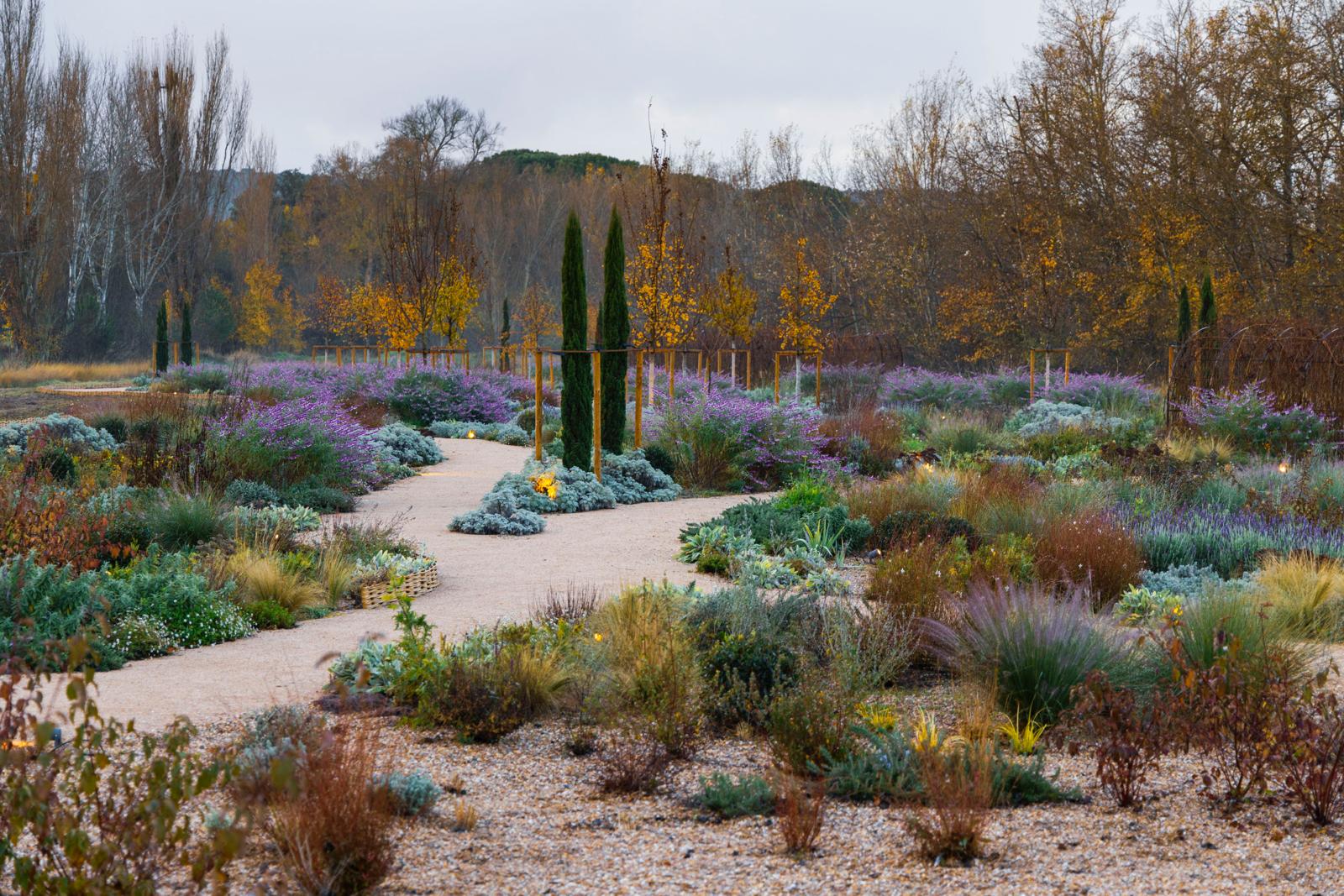
We’ve just reforested 90 hectares. That decision doesn’t generate immediate profit, but it does contribute to biodiversity, improves water management, helps combat climate change, and enriches the experience of our visitors.
For us, sustainability isn’t a matter of communication; it’s a way of managing.
“Reviving a cheese dairy or a tomato variety is also sustainability”
You’re also promoting projects closely linked to the revival of agricultural and artisanal heritage.
Yes. We’re working to revive activities, products, and knowledge that are part of the region’s identity.
For example, we’re finalizing an agreement to revive a cheese dairy located across from our estate that had no successor. The goal is not to enter the cheese business per se, but to prevent a historic local activity from disappearing and to help carry it into the future
We have also revived the old monastic garden and are growing more than 140 traditional tomato varieties that had practically disappeared due to productivity standards, even though they retain extraordinary quality.
Added to this is our commitment to local crafts. The tableware we use in our restaurants is crafted by artisans from Arrabal de Portillo.
It’s all part of the same philosophy: to highlight the value of the region and create opportunities for those who live here.
“Abadía Retuerta is a living project”
What future projects are you particularly excited about?
We are developing initiatives related to art, artist residencies, crafts, socially responsible wines, and new experiences for our visitors.
We are also continuing to explore new expressions of our wines to adapt to current trends, always grounded in elegance and respect for the region.
Abadía Retuerta is a living project. The deeper we delve into it, the more possibilities emerge.
“Never settle for less”
What advice would you give to those working in the tourism sector?
Never settle for less.
You shouldn’t look at a region solely for what it is, but for what it can become. You have to listen, observe, and deeply understand the place where you work.
When you’re able to connect with the essence of a region and share it authentically with those who visit you, extraordinary opportunities arise.
And if I had to sum up our philosophy in one idea, it would be very simple: we must leave the region better than we found it so that those who come after us can continue to enjoy it.
How do you view initiatives like the Encounters of Excellence and Inspiration at the International Garnacha Festival?
I view them very positively because they allow us to share experiences, knowledge, and different ways of understanding the region. You always learn when professionals who are passionate about their projects and seek to create value through authenticity come together.
Furthermore, they help highlight important resources such as Garnacha, which is part of the identity of many regions. These are spaces that inspire, generate new ideas, and contribute to building increasingly excellent and sustainable tourism and gastronomy.