



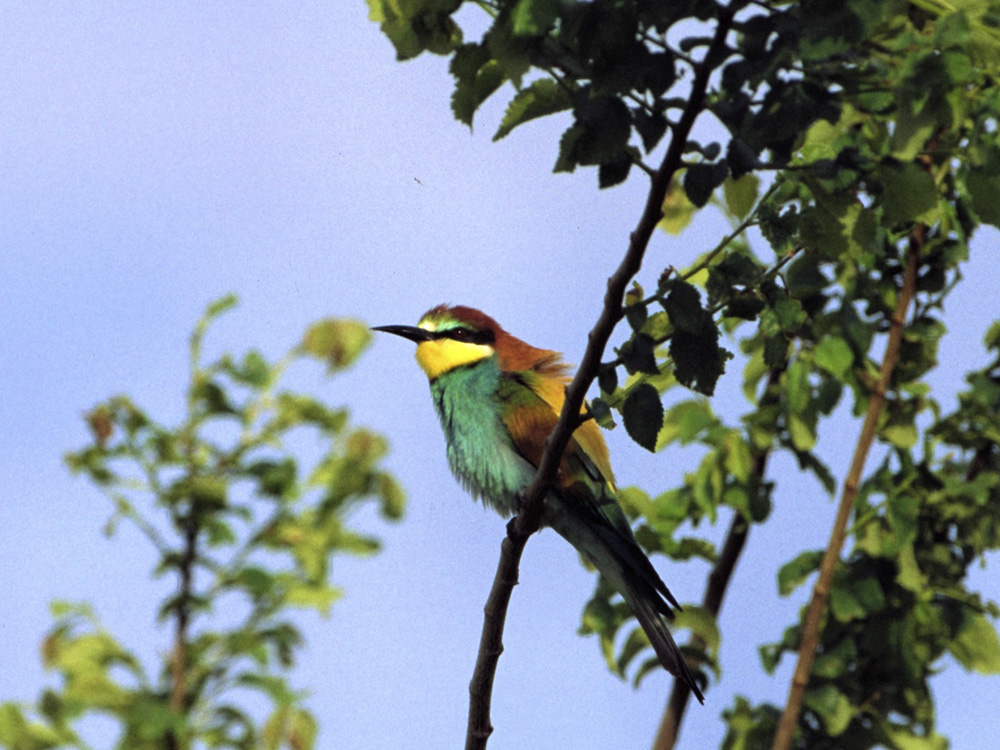
Aragon, in the northeast of Spain, reveals itself as one of those territories where nature speaks in wings. A landscape of contrasts that, thanks to its strategic location in the Ebro valley and its diversity of ecosystems—from open steppes to wetlands and riverine thickets—has become one of the most fascinating spots in Europe for birdwatching.
More than 300 species soar, nest, or rest within its dominion each year, making the province of Zaragoza a privileged stage for “birding,” a tourism modality in full expansion that combines knowledge, excitement, and respect.
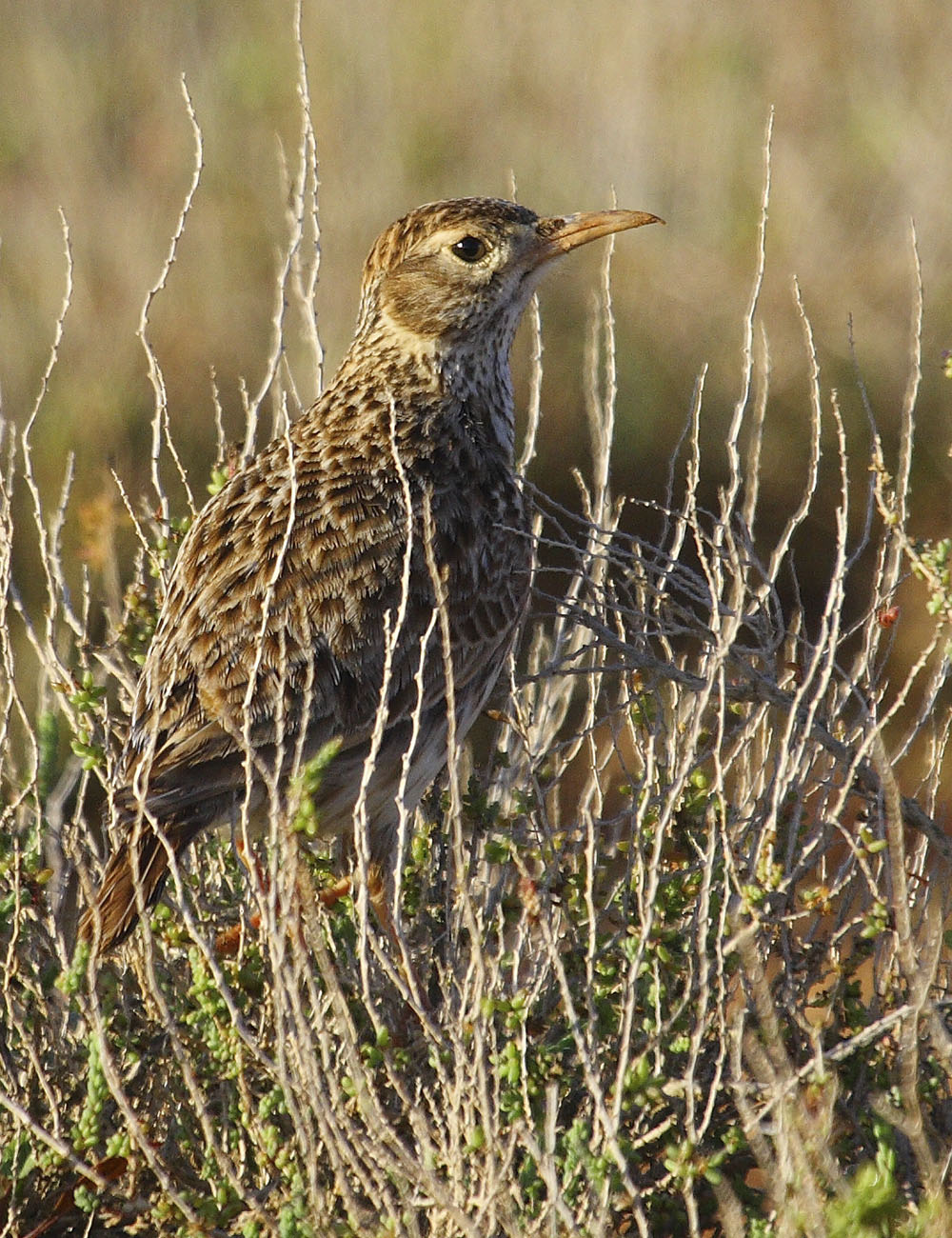
A mosaic of ecosystems, a backdrop for life
Just a short distance from the capital, the presence of the wild is already felt. In the Juslibol galachos, ancient meanders of the Ebro turned into wetlands, a vibrant ecosystem emerges between reed beds and open skies. Here, the visitor learns to observe calmly: an immobile heron, a kite gliding overhead, a cormorant drying its wings in the sun.
Further west, in the Campo de Borja, the lagoons of Agón and Bisimbre surprise with their silence and biodiversity. Integrated into the Natura 2000 network, these calm waters serve as a refuge for little grebes, stilts, white-headed ducks, and other species that find a safe haven along their shores. The observation infrastructures, built with respect for the environment, allow visitors to contemplate without disturbing.
But it is at the Gallocanta Lagoon where nature unveils its grand symphony. At over a thousand meters above sea level, in the heart of the Iberian System, this saltwater wetland hosts tens of thousands of European cranes during their migratory passage in autumn and winter. Their arrival, at dawn or dusk, transforms the sky into a moving, melodic tapestry, where each wing tells an ancient story.
A commitment to protective tourism
The ornithological wealth of Zaragoza has not gone unnoticed. The growing awareness towards conservation and ecotourism has driven public and private initiatives that seek to turn birdwatching into a pathway for sustainable development.
Signposted routes, interpretation centers, discreet observatories, educational activities, and training programs have solidified an increasingly professional network, where the visitor’s experience and habitat protection coexist in balance. Here, tourism does not interrupt: it accompanies.
The guidelines are clear: observe without invading, move silently, appreciate the small, contribute to knowledge, and protect what is admired. Because the birdwatching tourist arriving in Zaragoza does not seek just a photograph: they want to understand the place and be part of its living history.
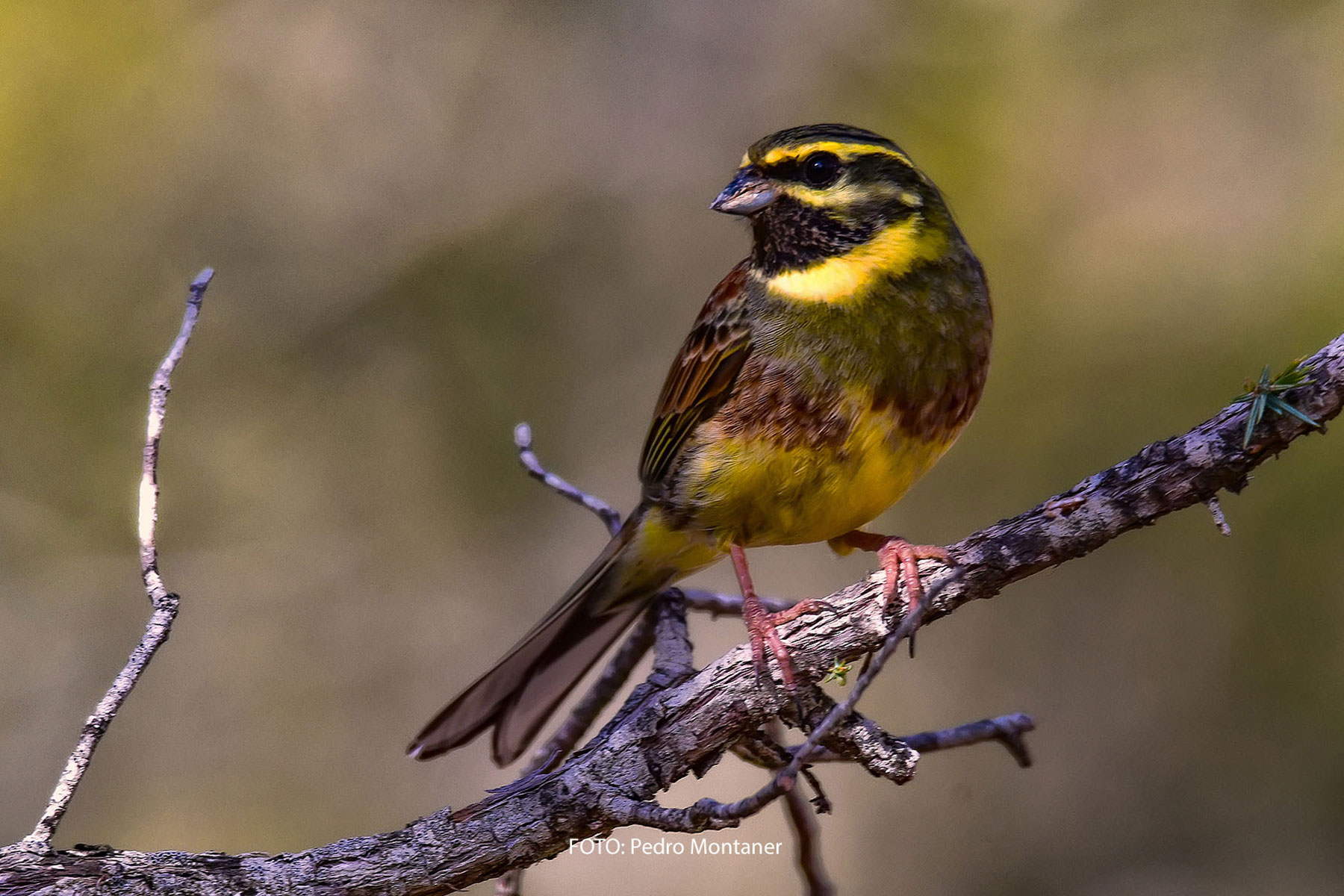
Beyond the telescope: an invitation to listen
Birdwatching is, in essence, a form of silence. Of pause. Of learning from the smallest details. It is the art of training the eye to discover a bird hidden among reeds or sharpening the ear to distinguish the call of a stone-curlew among the stones. It is about moving slower. Listening more. Asking without words.
Each environment—a lagoon, a plain, a riverside forest—is an open book of ecology, adaptation, and resilience. And Aragon, with its unique blend of Mediterranean and continental climate, offers a perfect natural laboratory to observe the survival strategies that evolution has written in the wings.
Here, the sky is a moving stage. And each visitor, if they know how to look, becomes a witness to a fragile balance, to a beauty that does not impose itself but reveals itself little by little.
The shared flight: tourism that leaves a positive mark
The ornithological tourism that is growing in Zaragoza is different. It does not seek impact but connection. It is not measured in clicks but in sighs. And it leaves no footprints on the ground, but rather awareness in those who experience it.
This ancient territory has understood that the tourism of the future is not just an industry but an opportunity to educate, conserve, and inspire. To invite those who come from afar to become allies of the territory.
Because when one observes how a flock of cranes rises into flight over the steppe at dawn, they understand that there are things that transcend travel. And that, in places like Zaragoza, birds do not just cross the sky: they teach us to look inward.