



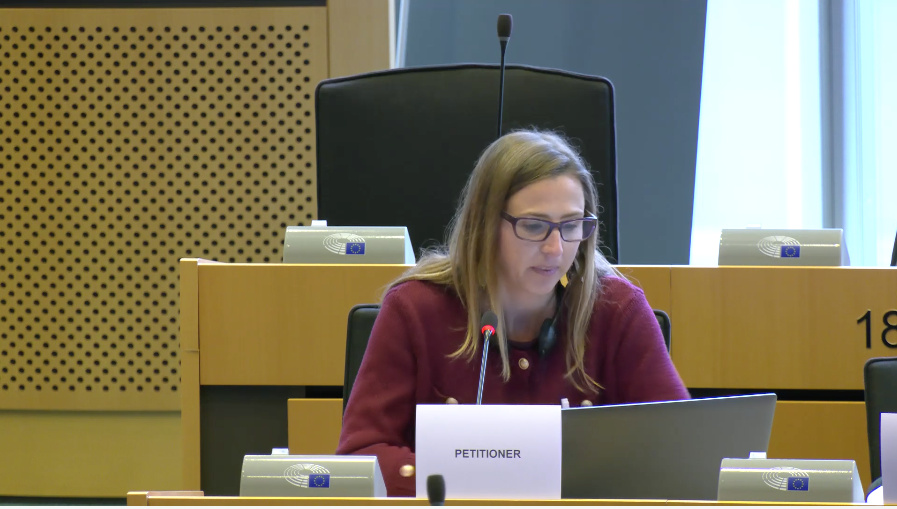
The Corredores.eu Alliance has taken a crucial step by presenting its proposal to the European Parliament to integrate the Central Tunnel of the Pyrenees into European investment plans. This project, which aims to improve connectivity and sustainability of the European transport network, has been stalled for years despite its strategic importance.
Impact on Decarbonization and Decongestion
The Central Tunnel of the Pyrenees promises to transform cross-border transport by facilitating a significant modal shift towards rail. It is estimated that it could replace up to 15,000 trucks daily at La Junquera and 10,000 at Hendaye, alleviating congestion at the current border crossings of Irun and Perpignan. This transition would not only reduce logistical costs but also decrease carbon emissions and improve road safety.
The infrastructure presents an effective solution for shifting goods from road to rail, thus contributing to the decarbonization of transport in the region. This change is essential to meet the European Union’s climate goals and strengthen the resilience of its transport network.
Strategic Connection in the European Network
The Central Pyrenees Crossing is a key component of the Sines–Algeciras–Madrid–Zaragoza–Paris corridor, a cross-border link connecting the Iberian Peninsula with Central and Northern Europe. This corridor traverses regions that represent 46% of Spain’s population and GDP, underscoring its economic and social relevance.
The integration of the TCP into the European network would not only enhance connectivity but also reinforce the strategic position of the Iberian Peninsula on the European logistics map, facilitating the flow of goods and services across Europe.
Dimension of Security and Defense
In addition to its economic and environmental benefits, the Central Tunnel of the Pyrenees has a strategic dimension in terms of security and defense. The infrastructure would enable faster and more effective military deployments, improving mobility on the southwestern flank of Europe. Additionally, it would provide secure communications via fiber optics, essential for command and control in crisis situations.
The TCP would function as a critical node for energy and telecommunications interconnections, strengthening the connectivity of the Iberian Peninsula against potential hybrid threats and ensuring the resilience of the region.
In conclusion, after more than a decade of technical studies, the Corredores.eu Alliance urges the Governments of Portugal, Spain, and France to advance this vital project. The proposal will be evaluated by the Transport and Security and Defense committees of the European Parliament, seeking its consolidation in future investment plans.