


The Government of Spain has greenlighted the 2026-2030 State Housing Plan, which will allocate 7 billion euros to the autonomous communities over the next five years. This plan, led by the Minister of Housing and Urban Agenda, Isabel Rodríguez, aims to safeguard public housing protection and prevent speculation with public funds. Aragón will be one of the key beneficiaries, managing 266 million euros, a significant increase compared to the previous plan.
Funding Model and Distribution of Funds
The new state plan establishes a model of financial co-responsibility, where the central government contributes 60% of the investment, while the autonomous communities take on the remaining 40%. In the case of Aragón, the investment triples, from 71 million to 266 million euros, reflecting a renewed commitment to the region.
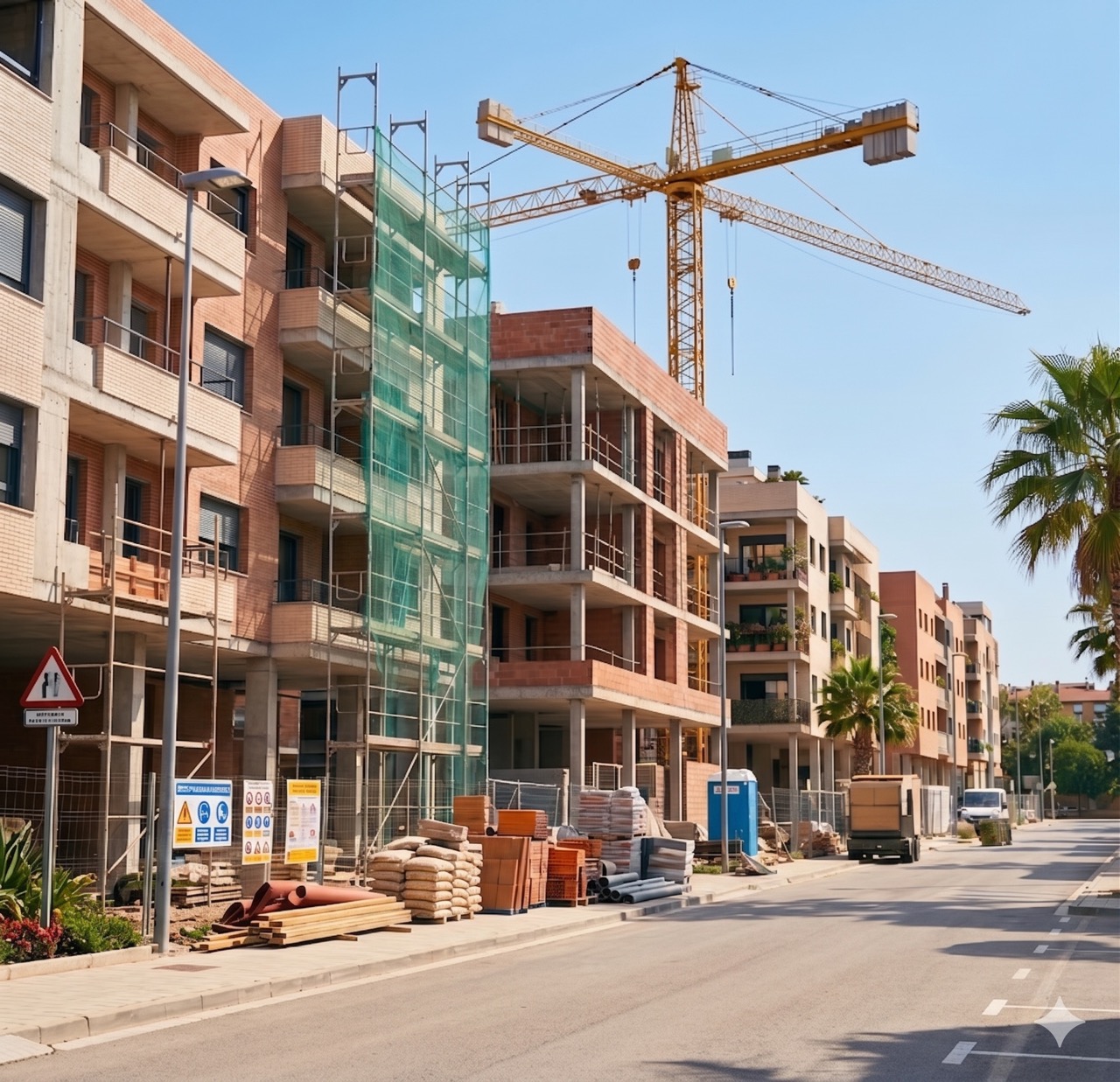
The distribution of funds will be carried out in three main areas: 40% will be allocated to the construction and acquisition of housing, another 30% to the rehabilitation of the existing housing stock, and the final 30% will ensure the protection of groups and territories with greater need.
New Features and Strategic Objectives of the Plan
Among the new features of the State Housing Plan is the permanent protection of all housing built with its funds and the inclusion of an anti-fraud clause to ensure transparency in awards. Additionally, a public data system will be implemented to provide access to accurate and transparent information for citizens.
The plan pursues five strategic objectives: to increase the supply of public, protected, and affordable housing; to improve housing quality through rehabilitation with efficiency and accessibility criteria; to reduce the age of emancipation for young people; to lower the effort rate for paying for housing; and to reverse tensioned areas, paying special attention to the rural world.
Three Key Areas of Action
The plan is structured around three key areas of action: more construction, with an emphasis on building new homes and industrializing the sector; more rehabilitation, with aid for improvement works and mobilizing vacant housing; and more protection, offering support for the emancipation of young people, victims of gender-based violence, and vulnerable groups.
This ambitious plan has been designed through a consensus process that included 28 meetings with autonomous communities and sessions with entities, social agents, and experts. A total of 365 contributions were received, evaluated, and incorporated into the final version of the document, thus ensuring an inclusive and participatory approach.