



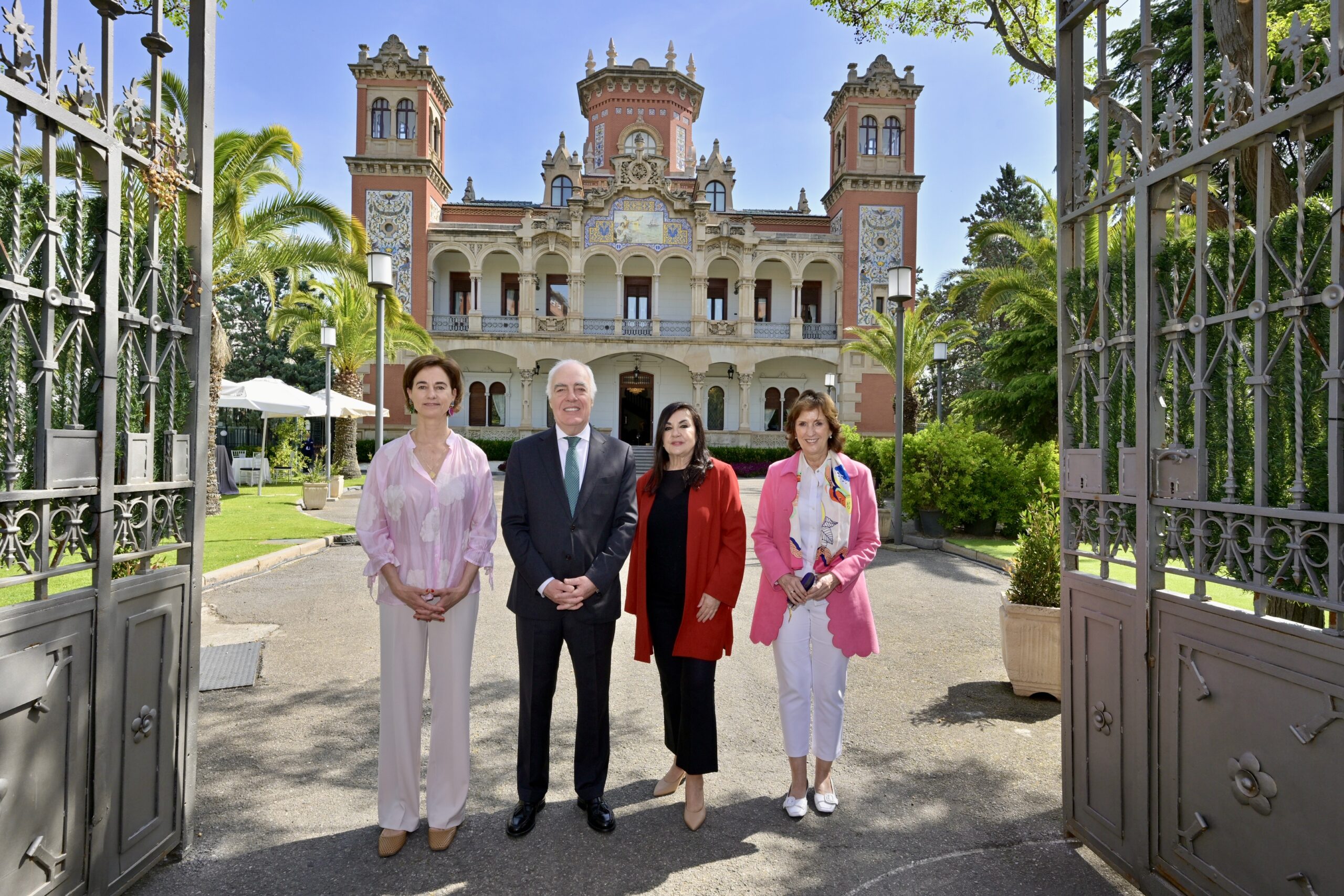
The Ibercaja Foundation has reopened the iconic Larrinaga Palace in Zaragoza, coinciding with its 150th anniversary. This building, classified as a Good of Aragonese Cultural Heritage, now hosts an exhibition of English Romantic painting titled «English Romantic Painters in 19th Century Spain,» which will be available for the next two years. Guided tours, which can be booked through the foundation’s website, are complemented by educational workshops for schoolchildren.
The Architectural Legacy of Larrinaga Palace
Larrinaga Palace, designed between 1901 and 1918 by architect Félix Navarro, is a testament to Zaragoza’s architectural splendor. Commissioned by shipowner Miguel Larrinaga, the building was initially called Villa Asunción, in honor of his wife. Although they never lived in it together, the palace has undergone multiple transformations over the years, from military occupation after the Civil War to its restoration by the Ibercaja Foundation in 1993.
The building stands out for its use of high-quality materials, such as Quinto de Ebro stone and noble woods. Its exterior design, featuring towers adorned with floral motifs and galleries with columns, reflects allusions to maritime trade. The interior, centered around a courtyard with a monumental staircase, exemplifies the classical inspiration that characterizes this architectural gem.
Guided Tours and Educational Activities
Visits to Larrinaga Palace offer an enriching 45-minute experience, organized for groups of 15 to 25 people. In addition to these tours, the Ibercaja Foundation has developed a program of activities for schoolchildren of different educational levels, which includes creative workshops designed to complement the palace tour.
These activities aim not only to educate but also to inspire young people about the importance of cultural heritage and its preservation, integrating art and history into their learning.
Exhibition of English Romantic Painting
The exhibition «English Romantic Painters in 19th Century Spain» brings together nearly 50 works by 19th-century British artists, such as John Phillip and John Bagnold. The paintings, distributed throughout the palace spaces, capture the essence of Spain from two centuries ago, highlighting monuments, everyday scenes, and landscapes from the English Romantic perspective.
The compositions, primarily featuring Andalusian women in traditional roles, reflect the principles of Romanticism, which prioritized feeling over reason. This exhibition not only enriches the artistic heritage of the palace but also offers a window into Spain’s cultural past.








