


After months of work, training, outreach, and collaboration with companies and institutions, the Social Sustainability Plan for Tourism in Aragon is nearing its conclusion, establishing itself as a pioneering initiative in the national tourism sector. More than a hundred accredited establishments, dozens of projects submitted, significant media attention, and broad business participation reflect the impact achieved by a project that has placed people and the territory at the center of the tourism model.
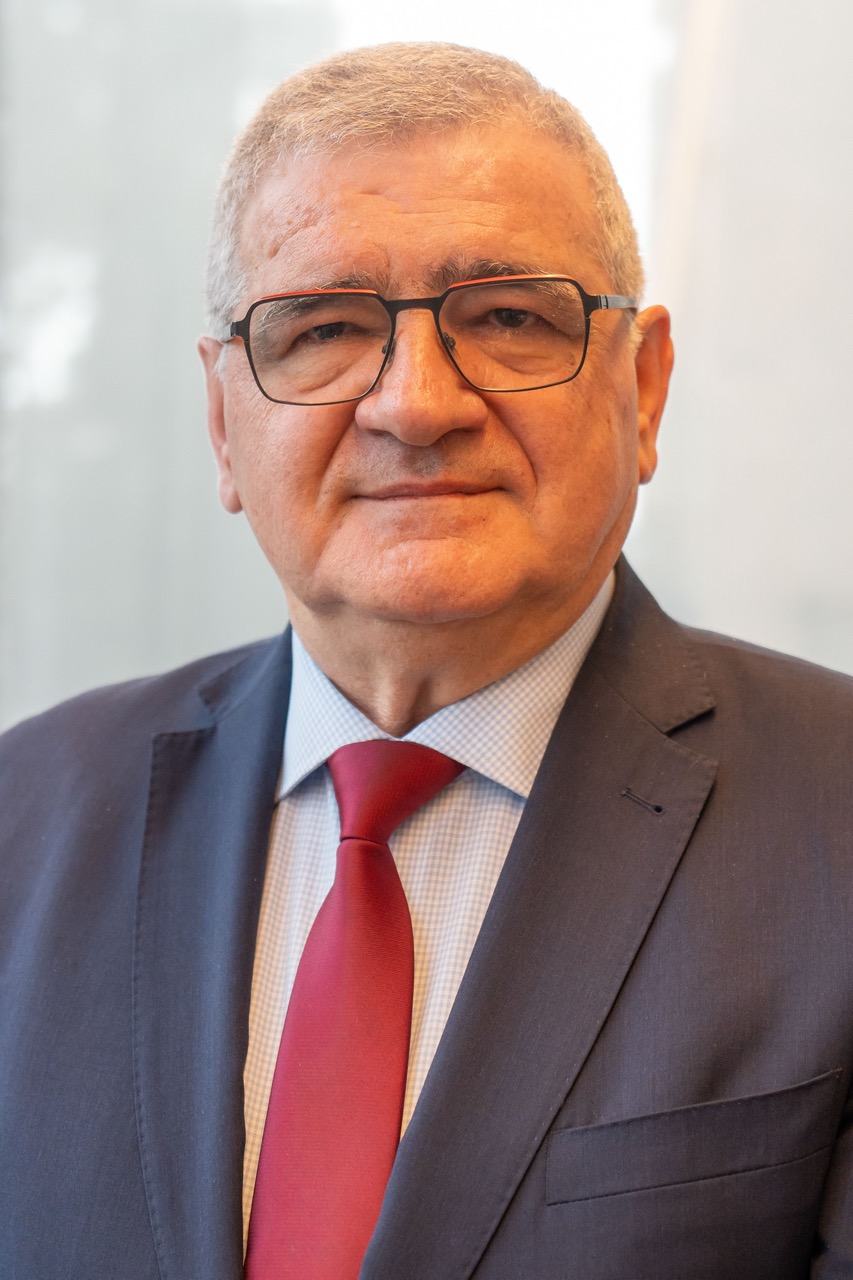
We spoke with Fernando Martín, president of CEHTA, to assess the plan, analyze its results, and reflect on the future of social sustainability in Aragon’s tourism.
What is your assessment of the Social Sustainability Plan for Tourism in Aragon?
The assessment is very positive. From the beginning, we understood that this plan had to serve to highlight something that the Aragonese tourism sector has been doing for a long time: generating opportunities, retaining population, revitalizing territories, and contributing to social well-being.
But there was also another important objective: to help make the tourism and hospitality sector visible as a field with professional future, capable of generating stable employment, opportunities, and personal development. We aimed to dignify the sector’s image and highlight the immense work that thousands of professionals do in Aragon.
“We wanted to contribute to dignifying the image of the sector and highlight the immense work that thousands of professionals do in Aragon.”
Sometimes, when sustainability is discussed, all the focus is placed on the environmental aspect, which is fundamental, but we also wanted to value the social dimension of tourism. We wanted to talk about employment, accessibility, territorial cohesion, equal opportunities, and commitment to people.
I sincerely believe that the plan has succeeded in opening that conversation and, above all, demonstrating that social sustainability is not a theory, but a reality that many tourism companies already apply in their daily operations.
One of the most notable facts is the adherence of establishments to the Code of Good Practices.
Yes, and it is probably one of the indicators that best reflect the sector’s involvement. We have reached 102 accredited establishments in the Code of Good Practices, which shows that there is a real willingness to move towards a more responsible and committed tourism model.
Moreover, what matters is not just the number but the message it conveys. These are companies that have chosen to step up and publicly demonstrate their commitment to social sustainability.
This also helps to create a different corporate culture where social responsibility is no longer seen as an accessory but becomes part of the identity of the tourism business.
The Social Sustainability Awards for Tourism in Aragon have also been launched.
Indeed. We have received 21 projects, which is great news because it shows there is creativity, innovation, and a strong desire to work in this area.
The awards have served to recognize initiatives that, from different fields of tourism, are generating a positive impact on the territory and people. Furthermore, they have helped to highlight good practices that can inspire other companies.
“Social sustainability is not a theory, but a reality that many tourism companies already apply in their daily operations.”
Many times, companies do very valuable things and don’t share them. Initiatives like this help to share experiences and create a knowledge network within the sector.
Training has also played an important role in the plan.
Yes, it was essential for us. Social sustainability cannot be driven solely by rhetoric; it needs tools, knowledge, and awareness.
During the development of the plan, we had more than 150 participants in the training actions organized in partnership with the Chamber of Commerce, ECODES, and Juan Royo. These sessions have been very useful for reflecting on responsible communication, social impact, corporate sustainability, and new challenges in tourism.
Additionally, we aimed for the training to be practical, close, and adapted to the reality of tourism businesses, particularly small and medium-sized enterprises, which are the backbone of the sector in Aragon.
Another pillar has been communication and dissemination of the project.
Without a doubt. We were clear that it was important to do, but also to explain what was being done.
Social sustainability needs visibility for society to understand the value that tourism brings. For this reason, we have worked extensively on disseminating the plan, both in media outlets and on social networks and through audiovisual actions.
The spots created for the plan have surpassed 10,000 views on YouTube, and CEHTA’s new Instagram profile has also reached over 10,000 views. These are significant figures because they indicate that the message is getting through.
Moreover, we have had over 320 appearances in regional and national press, which has helped position Aragon as a territory committed to socially dimensioned tourism sustainability.
All of this also contributes to improving the perception of the sector and conveying a closer and more realistic image of what tourism represents for our towns and cities.
The plan has also had a presence in relevant institutional and professional spaces.
Yes, and it was important for it to be present in those spaces because we believe that Aragon has much to offer in this area.
We have participated in FITUR at both the Government of Aragon stand and alongside Spain’s Hospitality sector, which has allowed us to share the project with professionals, institutions, and representatives of the sector from across the country.
Additionally, we have participated in external events to the tourist sector itself, explaining the plan and conveying the importance of incorporating social sustainability into the business strategy.
I believe that has also been very positive because it shows that tourism has a transversal dimension and that its impact goes far beyond economic activity.
What do you think sets this plan apart from other initiatives in tourism sustainability?
I believe that one of the main differences is that it puts people at the center.
When we talk about social sustainability, we talk about quality employment, inclusion, accessibility, opportunities for rural areas, cultural identity, and collective well-being.
“The success of the project corresponds specifically to that capacity to work united for a common goal.”
Tourism cannot be understood solely in terms of visitor numbers. It also needs to be understood in terms of its ability to improve territories and generate social value.
And I think this plan has successfully conveyed that idea: that tourism is a tool for cohesion and development.
Has the sector’s perception of social sustainability changed?
Yes, clearly. A few years ago, it may have been seen as a more abstract concept or even distant for some companies.
Today, there is greater awareness that social sustainability is part of competitiveness, reputation, and the future of tourism.
Companies increasingly understand that travelers value businesses that are committed, responsible, and connected to the territory. Moreover, they also recognize that working on social sustainability improves teams, strengthens relationships with the community, and generates positive long-term impacts.
I believe the tourism sector…