



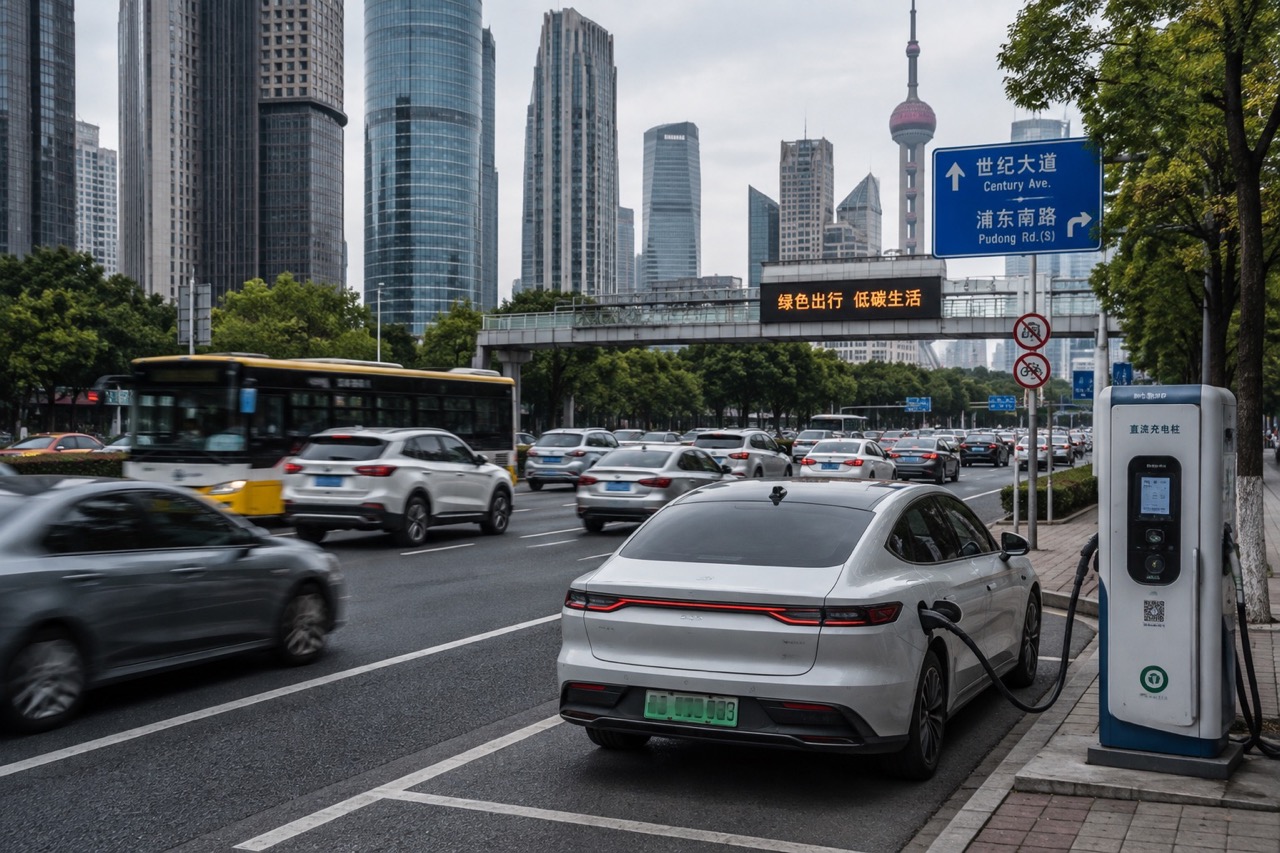
China’s energy transformation is beginning to have direct consequences for its oil consumption. Sinopec, the country’s largest oil company,认为中国的原油需求可能已经达到了其高峰,这一预期早于该公司之前的预测。
Sinopec’s President, Hou Qijun, has indicated that the development of clean energy, the electrification of the economy, and emissions reduction targets are altering the country’s energy consumption. The company previously projected that oil demand would peak in 2027, but now believes that this point may have already been reached.
This shift is particularly significant given China’s weight in the international energy market. The country is the world’s largest oil importer, and any structural reduction in its consumption could have repercussions for both major producers and companies engaged in oil extraction, refining, and marketing.
One of the factors driving this evolution is the rapid advancement of electric mobility. In June, electric and hybrid vehicles accounted for 62% of new car sales in China, according to data collected by Invertia. At the same time, Sinopec has reported a significant decline in fuel demand for vehicles during the first half of the year.
Forecasts support this trend. Consultancy Rystad estimates a 6.6% decrease in China’s gasoline demand and a 6.9% decline in diesel demand for this year. Beyond the specific movements of prices or the automotive market, these figures illustrate how electrification is beginning to impact fuel consumption in an economy the size of China.
A change that also affects imports
The evolution of consumption coincides with changes in China’s sourcing policy. In light of tensions in the Middle East, the country has turned to its reserves and is diversifying the origins of its purchases, paying greater attention to suppliers from Brazil, Africa, and Russia. Imports could be between one and two million barrels per day below levels prior to the conflict in the region.
However, the potential arrival of peak demand does not mean the end of oil in the Chinese economy. The country will continue to require significant amounts of crude for both transportation and various industrial and petrochemical processes. The key point is that, if Sinopec’s diagnosis is confirmed, China may have entered a phase where consumption ceases to grow structurally.
The evolution of the automotive sector will be one of the areas to watch to determine the extent to which this change solidifies. The extraordinary growth of electric vehicles is reducing gasoline and diesel consumption, but China simultaneously maintains a significant industry connected to combustion engines and continues to develop various propulsion technologies.
This scenario makes the Asian giant particularly noteworthy: the country that for decades drove a substantial part of global oil demand growth is rapidly transforming its energy system and automotive industry, with consequences that may extend well beyond its borders.








