



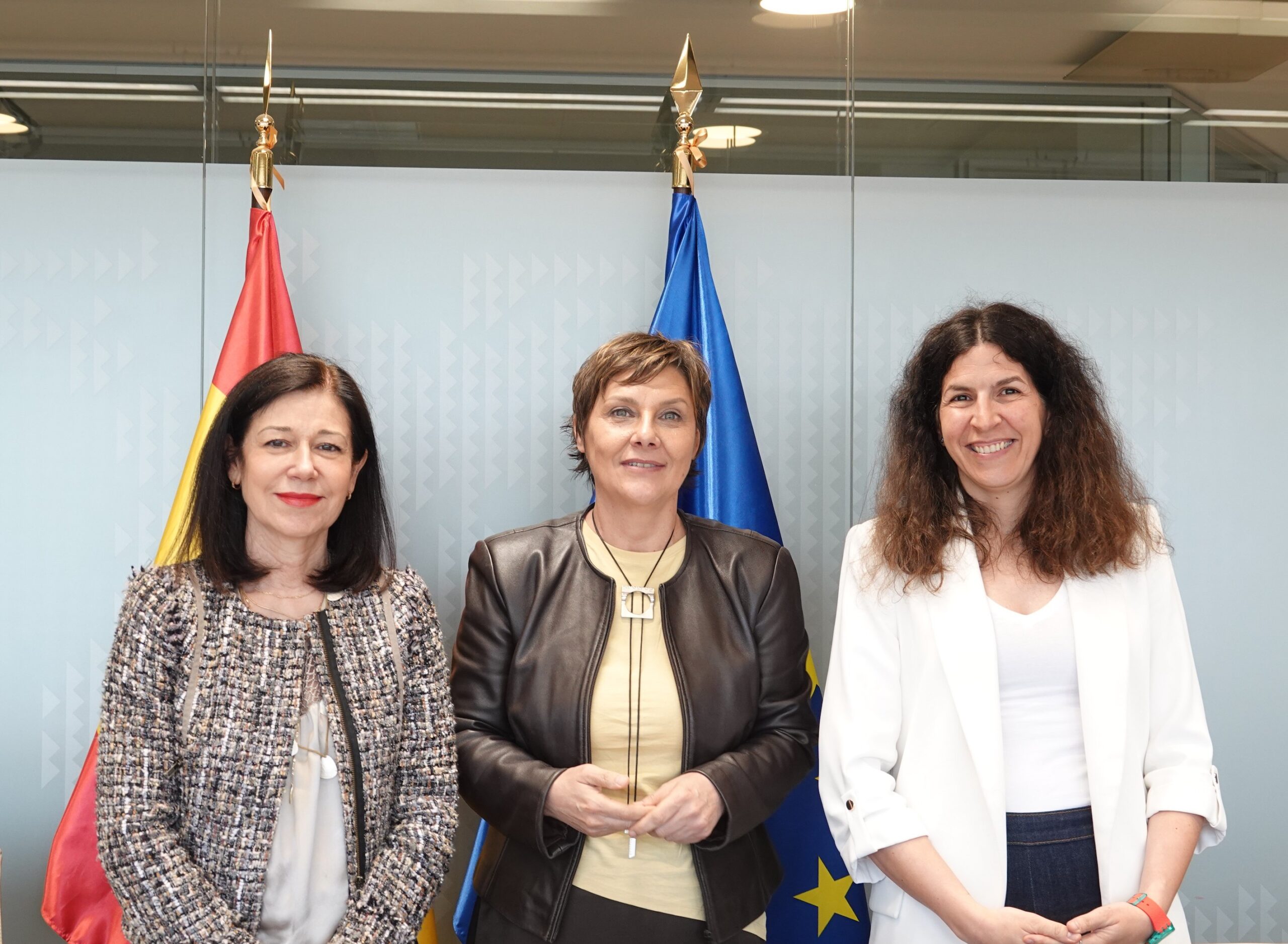
COFIDES has granted a loan of 2 million euros to the Valentia Foundation, aiming to enhance the social and labor inclusion of people with intellectual disabilities and autism spectrum disorders in Huesca. This initiative will directly benefit 50 individuals, improving their access to essential services.
Strategic projects driven by funding
The Valentia Foundation will allocate the funds to two key projects: the construction of a day center and a residence in Monzón, designed for young people with intellectual disabilities and autism. Additionally, a new line of business linked to the foundation’s Special Employment Center (CEE) will be developed. This latter initiative will not only create jobs for people with disabilities but will also diversify the entity’s sources of income.
The impact of these projects extends beyond the direct beneficiaries, also reaching their families and the local community. The improvement in access to basic services in the rural areas of Huesca is a highlighted aspect of this operation.
Institutional participation and key stakeholders
The signing of the agreement took place at COFIDES headquarters, attended by the president of COFIDES, Ángela Pérez, and the general director of the Valentia Foundation, Sara María Comenge. Also present was Elena Rodríguez, general secretary for Inclusion, emphasizing the institutional importance of this collaboration.
With over 60 years of experience, the Valentia Foundation serves more than 660 people with intellectual disabilities in Huesca, offering services ranging from day care to training and employment through its CEE.
The role of the Social Impact Fund
The Social Impact Fund (FIS), created by the Government through the addendum to the Recovery, Transformation, and Resilience Plan (PRTR) and financed by NextGenerationEU, is the financial framework for this operation. With an allocation of 400 million euros, the FIS aims to strengthen the social impact ecosystem through investments that generate social and environmental benefits.
Authorities highlighted that this investment not only expands residential places and access to employment but also reinforces a model of specialized care in rural territories, where these services are particularly needed.