



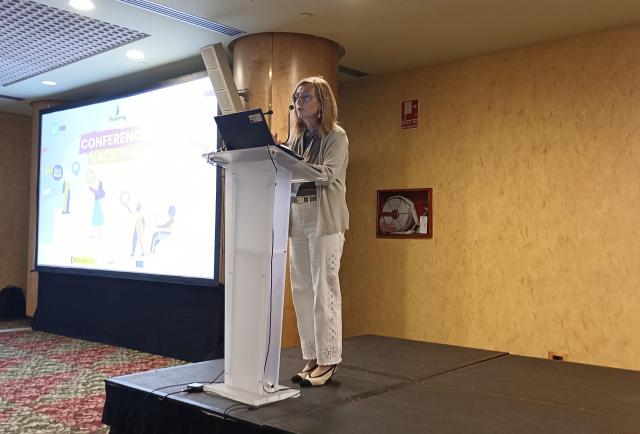
The National eTwinning Conference 2026 brings together around one hundred educators from across Spain, awarded the Quality Label in 2025, to promote educational collaboration through ICT. This event, part of the Erasmus+ program, is being held at the Boston Hotel and features participation from all autonomous communities.
Development of the eTwinning Conference 2026
This two-day meeting has commenced with the participation of educators recognized for their excellence in educational projects. The conference, taking place in Zaragoza, focuses on the exchange of ideas and collaboration through the use of Information and Communication Technologies (ICT), aligning with the Erasmus+ framework.
The event is hosted at the Boston Hotel and gathers teachers from all over Spain, highlighting their commitment to educational quality. The eTwinning initiative aims to foster communication and cooperation among teachers and students from different countries, promoting innovative and network-based learning.
Program, Presentations, and Workshops
During the conference, attendees participate in various training activities. Notably, there is a presentation by Carlos Hué, who has a 30-year career as a Psychology professor at the University of Zaragoza, offering his insights on education and psychology.
Additionally, Fran Balsera, a technical educational advisor at INTEF, conducts a workshop on emotional intelligence, focusing on developing life skills. The conference also includes a roundtable discussion featuring eTwinning ambassadors Miriam Salinas and Pepe Mas, who share their experiences in innovative educational projects.
Institutional Support and Educational Objectives
The Aragonese educational administration, represented by Mª Milagros Liberal Obanos, Head of the Educational Policy Service, firmly supports the eTwinning program. This support reflects Aragon’s commitment to the continuous training of teachers and the development of global learning communities.
The Department of Education, Science, and Universities of Aragon emphasizes the importance of enhancing digital competence and multilingual communication, promoting an education open to the world. According to Liberal, “to innovate is not just to introduce technology into the classroom, but to rethink learning through collaboration and networking.”