



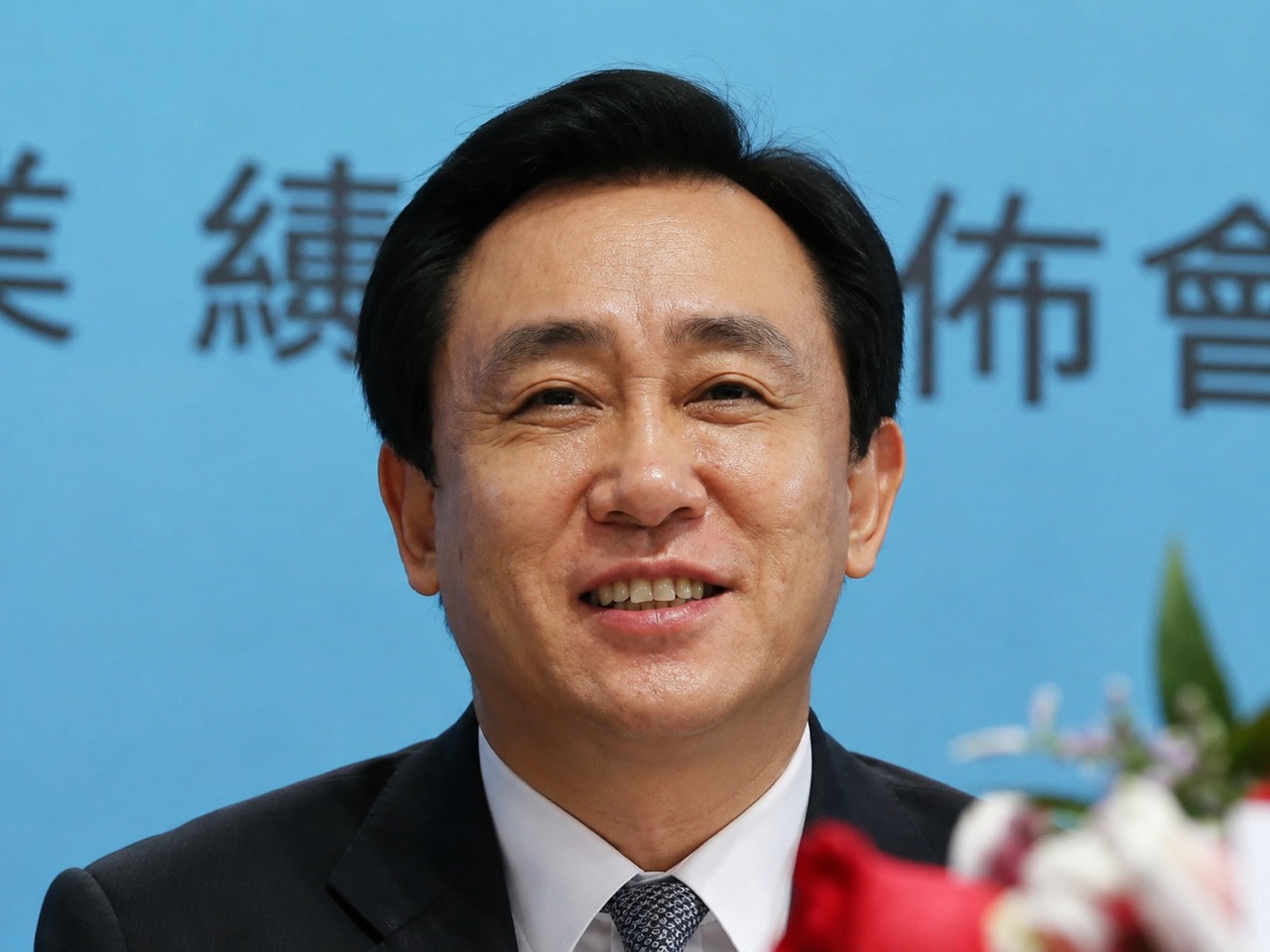
The downfall of Evergrande has resulted in a life sentence for the man who built one of the largest real estate empires in China. The Shenzhen Intermediate People’s Court on Thursday sentenced Xu Jiayin, founder and former chairman of the group, to life imprisonment for a series of financial crimes committed during the company’s expansion years.
The ruling, still at first instance, also mandates the loss of his political rights for life and the confiscation of all his personal assets. The court has additionally ordered the continued recovery of illicitly obtained profits, directing the relevant amounts to compensate for the damages caused.
Xu Jiayin, 67, known internationally by the Cantonese version of his name, Hui Ka Yan, became one of Asia’s wealthiest entrepreneurs. His career was tied to the extraordinary growth of the Chinese real estate market and, later, to the crisis that began to manifest as Evergrande struggled to manage debts exceeding $300 billion.
Six Years of Financial Fraud
The court found that Xu exercised effective control over Evergrande and directed the operations of the group and various related companies, including Evergrande Real Estate and Evergrande Wealth.
Between 2016 and 2021, according to the court, Evergrande, its main real estate subsidiary, and its founder continuously and on a large scale engaged in the falsification of financial information. The practices included inflating assets, concealing liabilities, and presenting an economic picture of the group that did not reflect reality.
These actions led to offenses related to the illegal solicitation of deposits, fraud in the acquisition of funds, fraudulent issuance of securities, and irregular disclosure of relevant information. The Chinese judiciary also considers that Evergrande and Xu used bribes to access resources from financial entities and illicitly obtain loans and funds from the insurance sector.
Multimillion-Dollar Fines for Evergrande
The sanctions do not only affect the founder. Evergrande Group has been ordered to pay 8.82 billion yuan, about 1.1 billion euros at current exchange rates, while Evergrande Real Estate must pay an additional 7 billion yuan, nearly 900 million euros.
The Chinese judiciary has also prosecuted dozens of individuals related to the case. Five former senior executives received sentences ranging from six to eighteen years in prison, along with fines or confiscations of assets.
From Real Estate Giant to Over $300 Billion in Debt
Evergrande was founded in 1996 and went public in Hong Kong in 2009. In the following years, it capitalized on China’s urban growth, the rising demand for housing, and easy access to financing to develop projects in numerous cities.
In 2021, Evergrande acknowledged its liquidity problems and began to default on its financial obligations. By then, it had amassed liabilities exceeding $300 billion, a figure that placed it among the most indebted real estate companies in the world.
Its collapse thus became one of the most visible expressions of the troubles facing the Chinese real estate market. Subsequently, other large developers also experienced difficulties, albeit with varying financial situations and processes.
A Crisis That China Has Yet to Resolve
The conviction of Xu Jiayin closes a judicial chapter in the story of Evergrande, but does not resolve the economic consequences of its downfall. Creditors continue to seek recovery of part of their investments, and the liquidation of the group remains a complex process.
The real estate crisis has not ended with Evergrande. The sector continues to be one of the main structural problems of the Chinese economy, after decades in which residential construction, land sales, and investments associated with housing have taken on considerable weight in economic activity.
The End of an Era in Chinese Real Estate Capitalism
The ruling highlights the contrast between two moments in the Chinese economy. Evergrande came to represent an era characterized by rapid urban growth, large residential developments, easy debt accumulation, and ongoing business expansion.
The model ultimately revealed its limits when the Chinese government decided to reduce sector leverage and the most indebted developers began encountering difficulties in refinancing. Evergrande was the most extreme case, but not the only one.
The sentence does not mean that China has resolved its real estate crisis. It does mark the personal conclusion for the leader of the company that best represented both the extraordinary expansion of the Chinese real estate sector and the risks accumulated during those years of debt-fueled growth.