



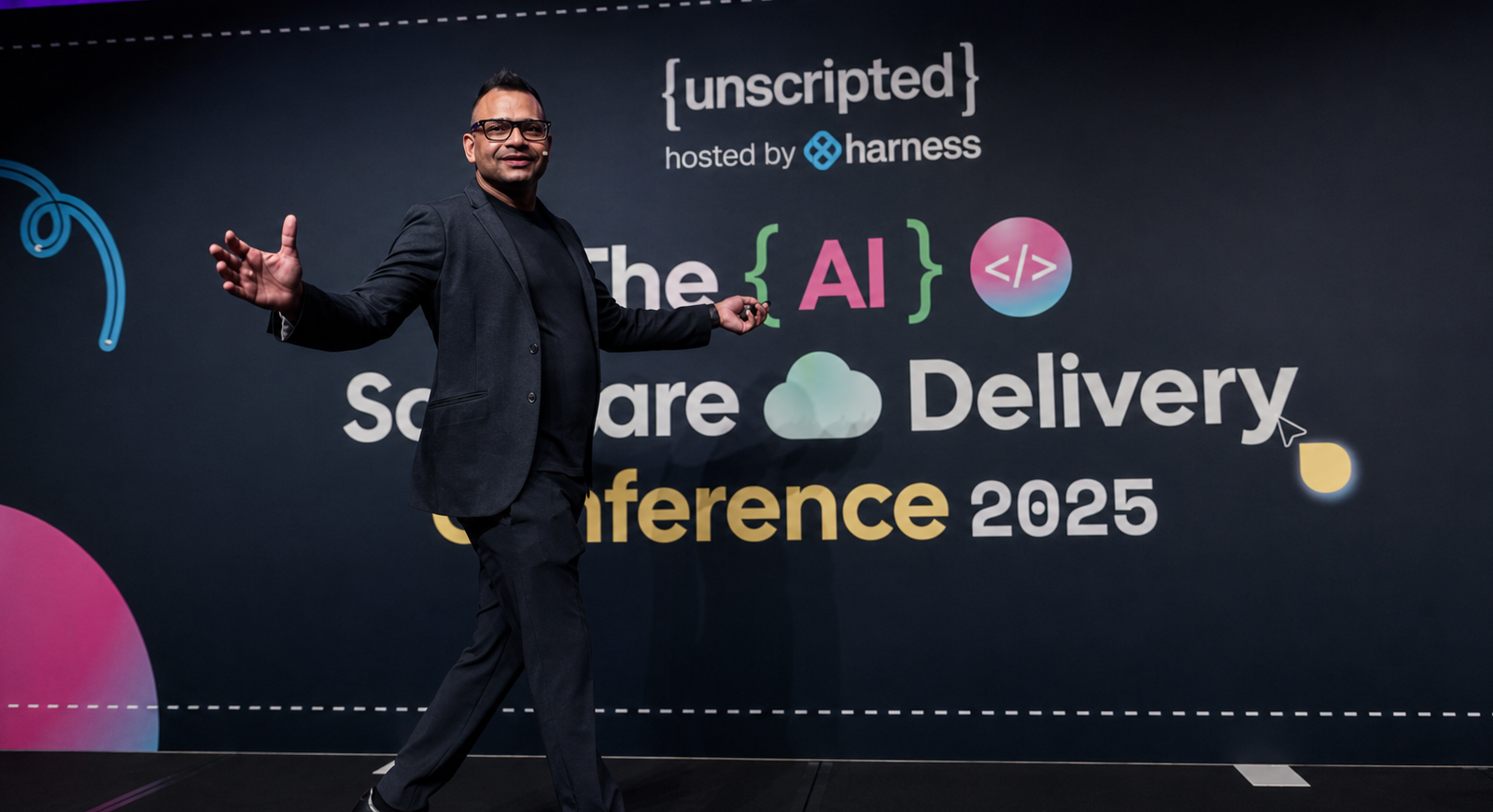
Jyoti Bansal had long wanted to start a company when, in September 2007, he finally received permanent residency in the United States. Until then, the conditions of his H-1B visa had constrained a decision he was quite clear about: leaving his job as an engineer to develop his own project. The permit that allowed him to stay in the country was tied to his employment, and starting a business could jeopardize his immigration status. Once that limitation was lifted, he resigned and began working on an idea related to a problem he knew well from his professional experience.
Bansal came to the United States from India in 2000 after studying computer engineering. In the following years, he worked at various technology companies and witnessed how the growth and increasing complexity of business applications were complicating their maintenance as well. When an application started to perform slowly or suffered an incident, identifying the root cause could force technical teams to review numerous interconnected services and systems. This difficulty, quite removed from the big stories dominating the tech industry at the time, had a direct impact on the daily operations of many businesses.
It was on this need that he built AppDynamics. The company developed tools to monitor applications and help tech teams identify performance issues, a market that grew as companies shifted an increasing portion of their activity to increasingly complex digital systems. AppDynamics attracted investment, expanded its client base, and solidified its position over the following years, preparing for its entry into public markets.
In January 2017, nearly a decade after its founding, the company was set to go public. The documentation had been submitted and the IPO planned when Cisco agreed to acquire it for approximately $3.7 billion. The announcement came just a day before the anticipated public debut and marked the end of a deal that had been months in the making. Bansal retained about 14% of AppDynamics, a stake valued at around $520 million at that time.
From AppDynamics to Harness
The sale could have turned Bansal into one of many tech entrepreneurs who primarily focus on investing after selling their first company. For a time, he partly followed that path: he participated in other companies and founded Unusual Ventures, but he did not abandon software development. In 2017, he launched a new project, Harness, alongside Rishi Singh, this time centered on another problem he had encountered during his professional career.
Developing software and ensuring that code is delivered securely and reliably to users are distinct tasks. In large organizations, a new version can go through testing, security audits, controls, and various processes before it is put into operation. Harness began focusing on automating those tasks with a platform designed to facilitate the development and deployment of applications for tech teams.
The evolution of artificial intelligence has added a new dimension to this business. Tools capable of generating code are allowing developers to produce software more quickly, but increased production does not eliminate the need to verify its quality, analyze potential vulnerabilities, and manage its deployment afterward. Harness seeks to occupy exactly that space and has expanded its platform with new automation and control tools.
The company reached a valuation of $5.5 billion in 2026 after a secondary offering that allowed employees to sell some of their shares. Bansal is considering a potential IPO in the future and has talked about higher valuations if Harness reaches the necessary scale, although those estimates should not be confused with the company’s current value.
A Journey Marked by Specific Problems
The story of AppDynamics is often told starting with the $3.7 billion paid by Cisco, but it is more interesting to look at what happened beforehand. Bansal spent years working inside tech companies where he found the need that he later built his business around. He didn’t start from a technology that needed to find a market but from a problem he had directly experienced and for which he considered the existing tools inadequate.
There is also a less common circumstance in stories about Silicon Valley. For much of that period, Bansal had knowledge, experience, and the desire to become an entrepreneur, but he could not easily assume the risk of leaving his job because doing so affected his right to remain in the United States. His journey highlights just how much immigration policies can influence the creation of tech companies, particularly in an ecosystem that has attracted engineers and scientists from other countries for decades.
Harness now represents a second test for Bansal. AppDynamics found a market at a time when business applications were becoming increasingly complex; his new company is trying to grow in another stage of transformation in software development, this time marked by automation and artificial intelligence.
Nearly twenty years have passed between these two companies, a multibillion-dollar sale, and profound changes in the tech industry. However, Bansal’s method has changed far less: understanding an activity from within, identifying a recurring difficulty in many organizations, and determining whether there is a business to build around it.